Say the difficult thing plainly
Name It, Know It
Direct explanations of gaslighting, coercion, consent, abuse, boundaries, harmful normalization, and basic rights.
Some experiences remain confusing because nobody names them clearly. This section examines behaviour directly, distinguishes ordinary conflict from patterns of harm, and makes room for the reader's own judgment and safety.

Read the guides
Newest first
Name It, Know It
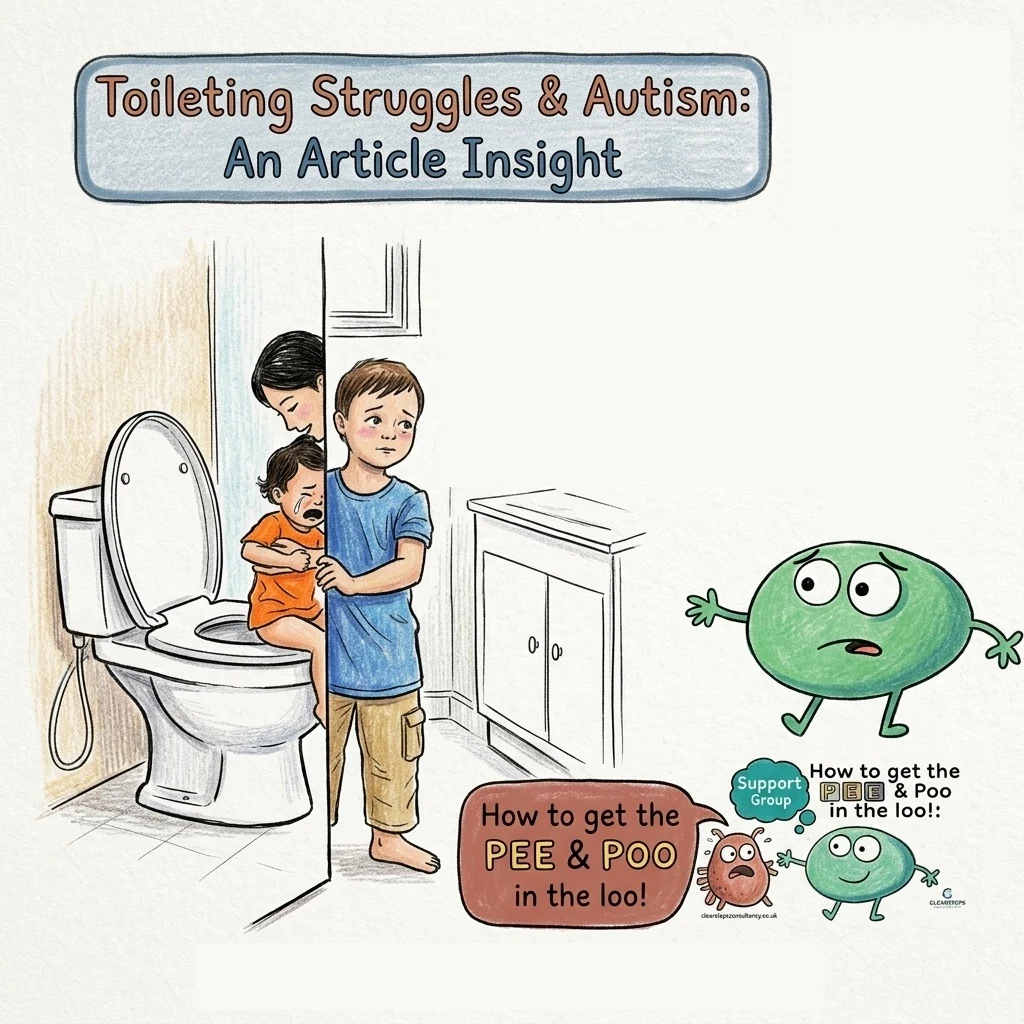
Why Is Everything Still a Struggle? Demand Avoidance in a Pinch
When knowing the toileting steps is not the same as being able to do them: one mother’s questions about stool withholding, sensory discomfort, fear and demand avoidance.
Read the guide →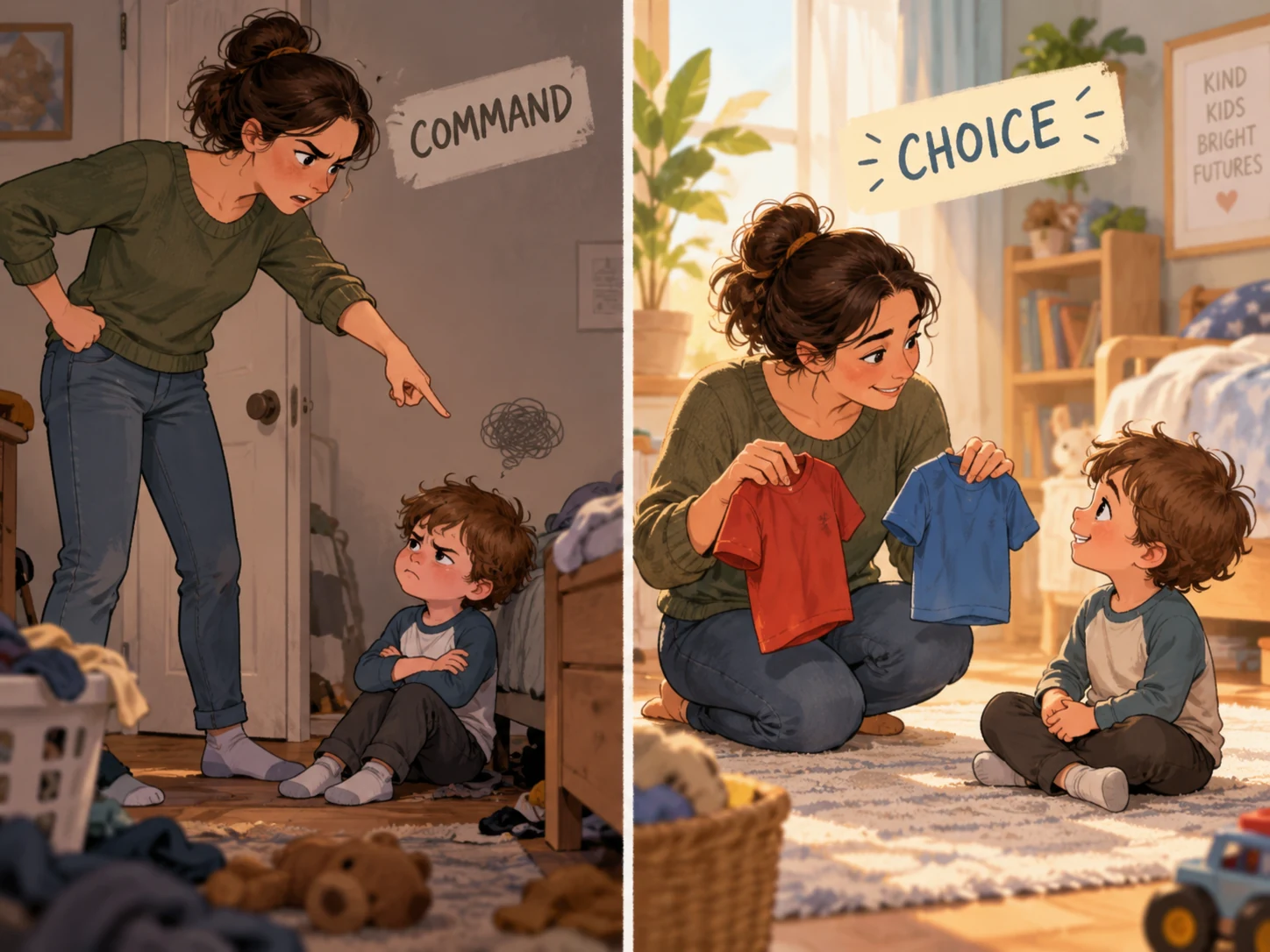
Name It, Know It
Giving choices does not make you a weak parent
Why bounded choices can support children’s autonomy and cooperation without giving up adult boundaries, safety, or structure.
Read the guide →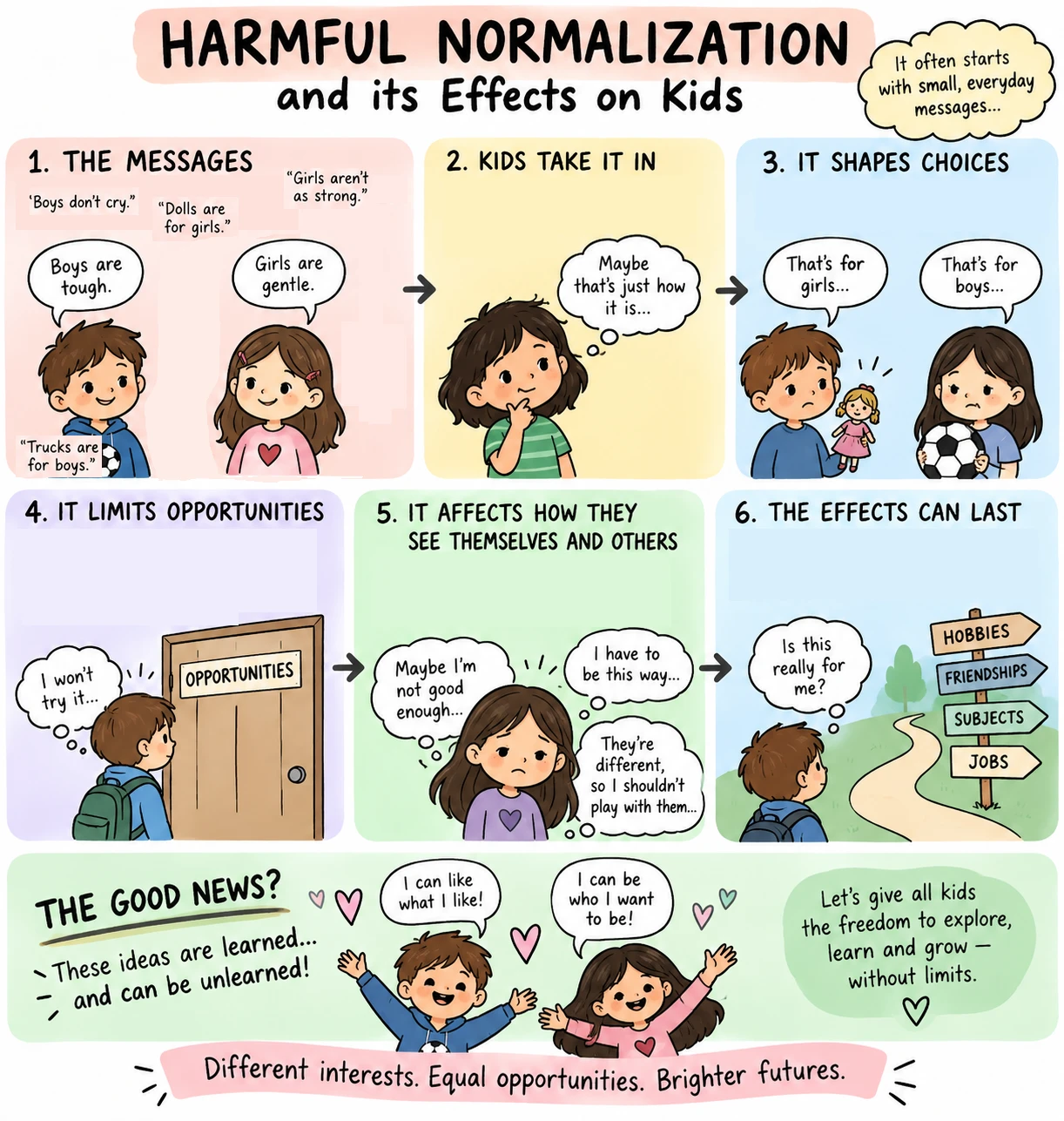
Name It, Know It
How Gender Stereotypes Shape Children
How everyday gender messages can shape children’s play, friendships, confidence, learning, and future possibilities—and how adults can widen the choices again.
Read the guide →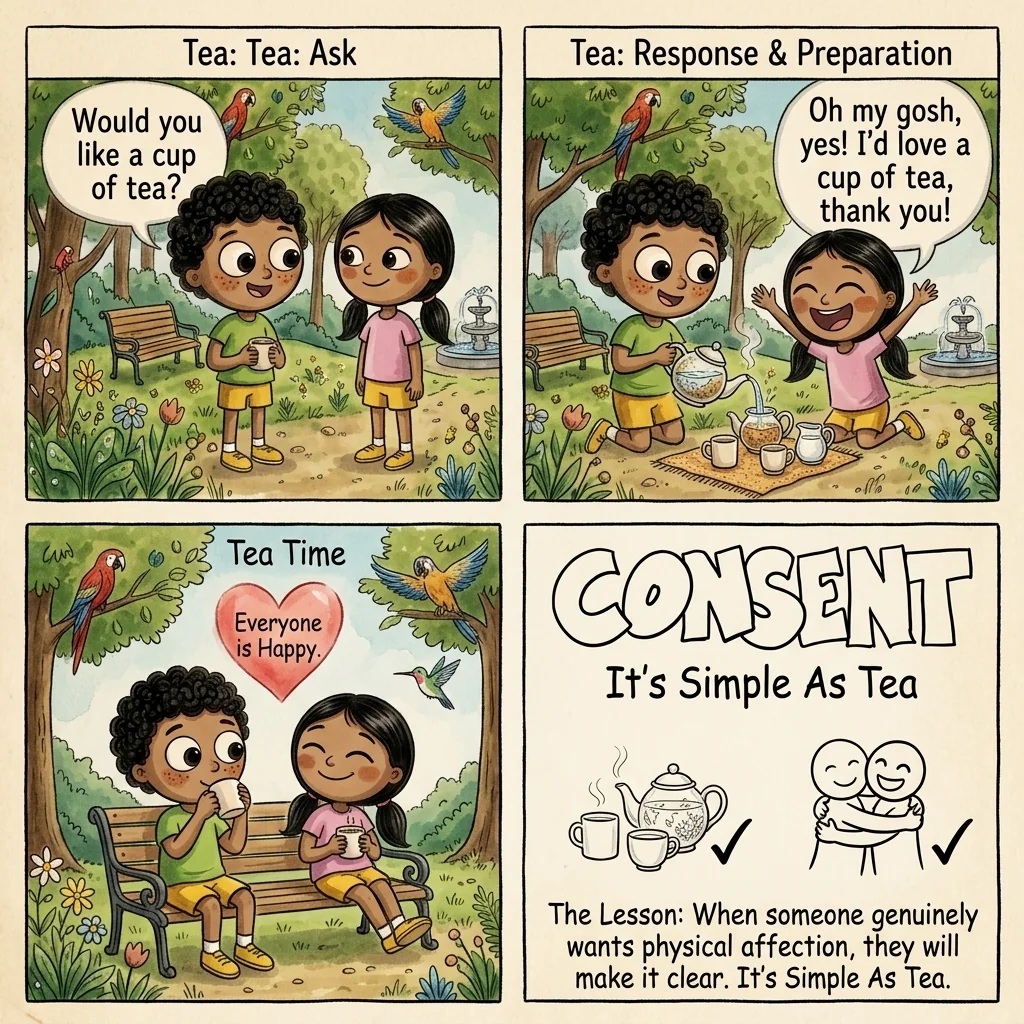
Name It, Know It
“Would You like a hug?”: Understanding Consent with My Son
Using tea, hugs, and everyday examples to understand consent as clear, freely given, informed, specific, and reversible permission—and to teach both saying no and listening to no.
Read the guide →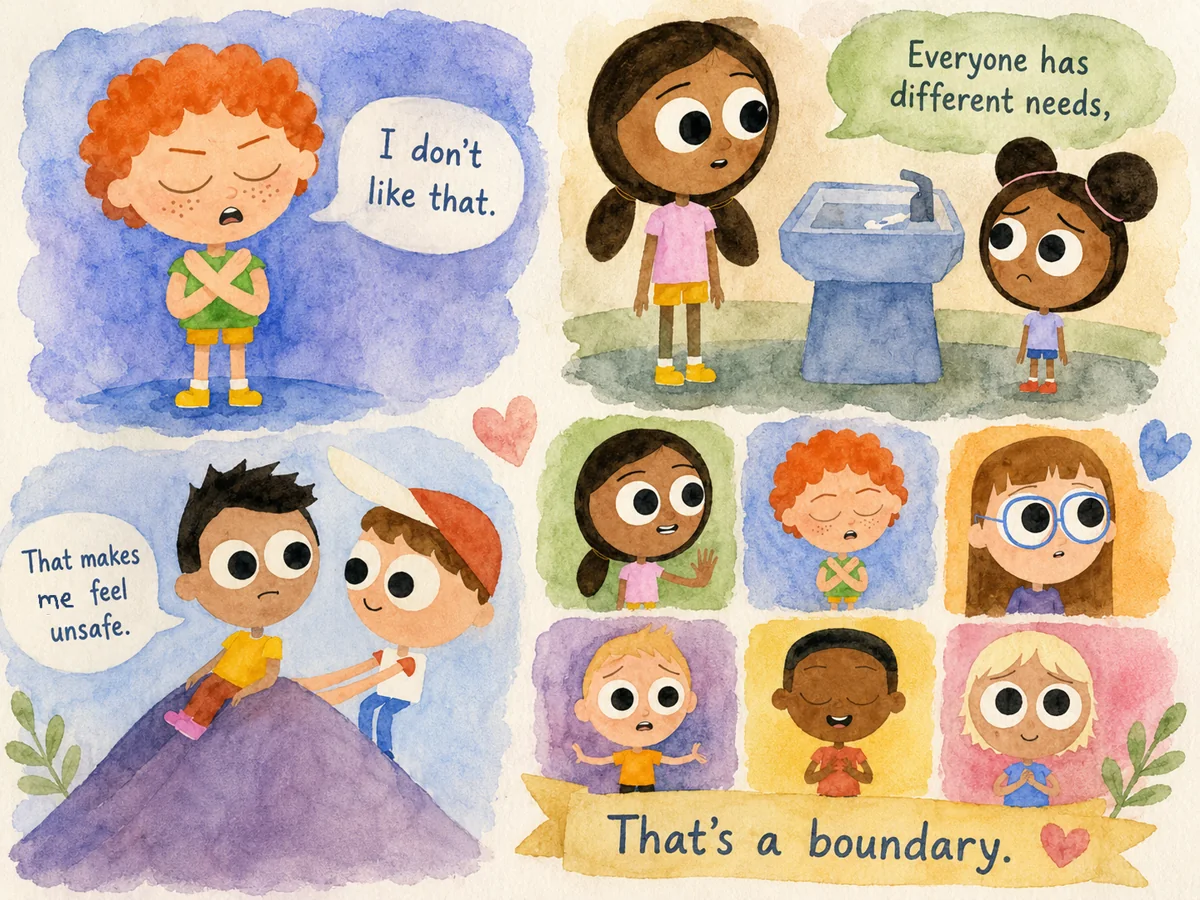
Name It, Know It
“Please Stop”: The Song That Taught My Son—and Me—How to Say No
How a children’s song helped my son and me understand consent, bodily autonomy, necessary care, and why a child’s no must matter.
Read the guide →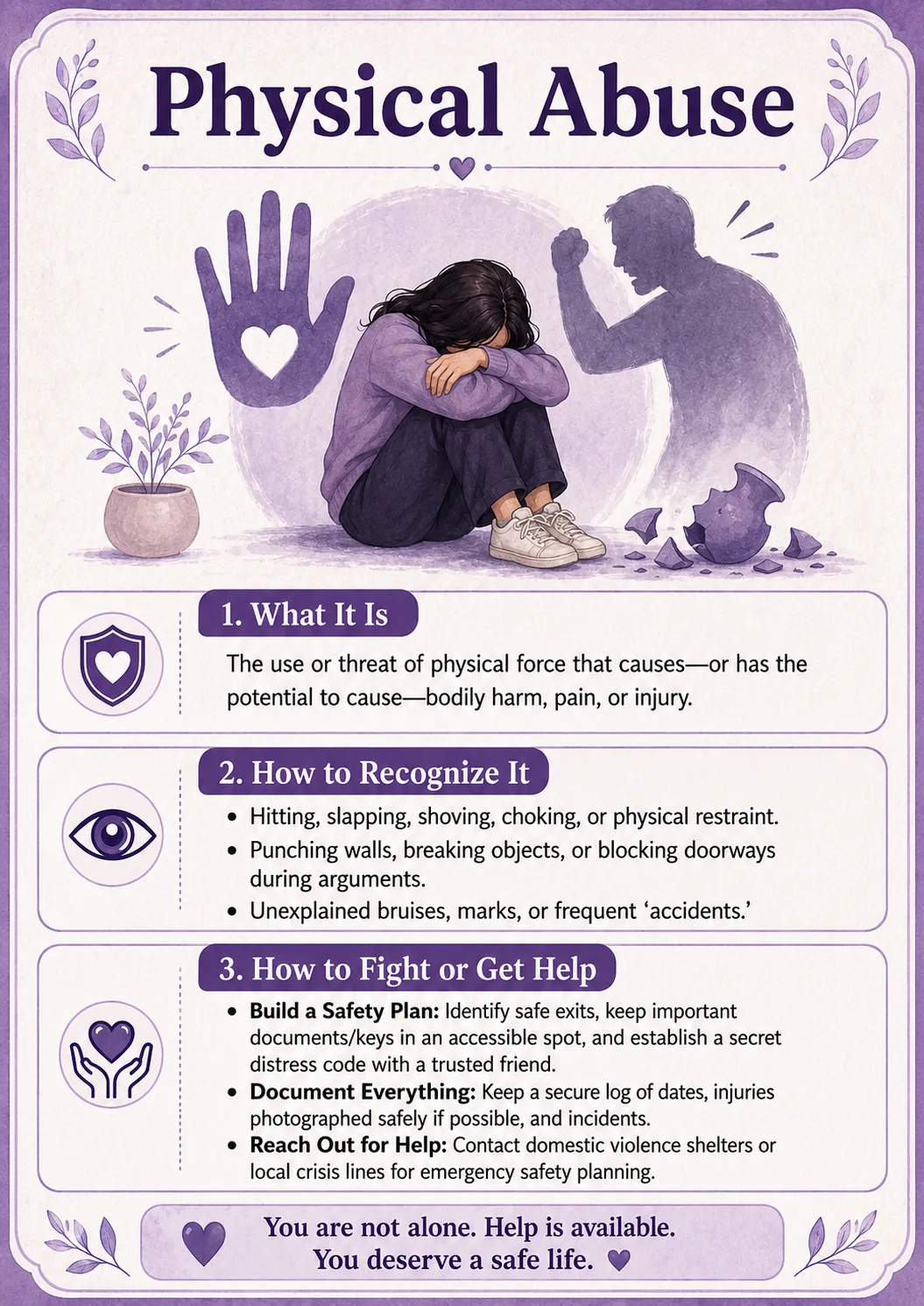
Name It, Know It
Abuse is Abuse. No Excuses.
Why harm does not become acceptable simply because it is common, traditional, familiar, or culturally normalized—and seven visual guides for recognizing abuse.
Read the guide →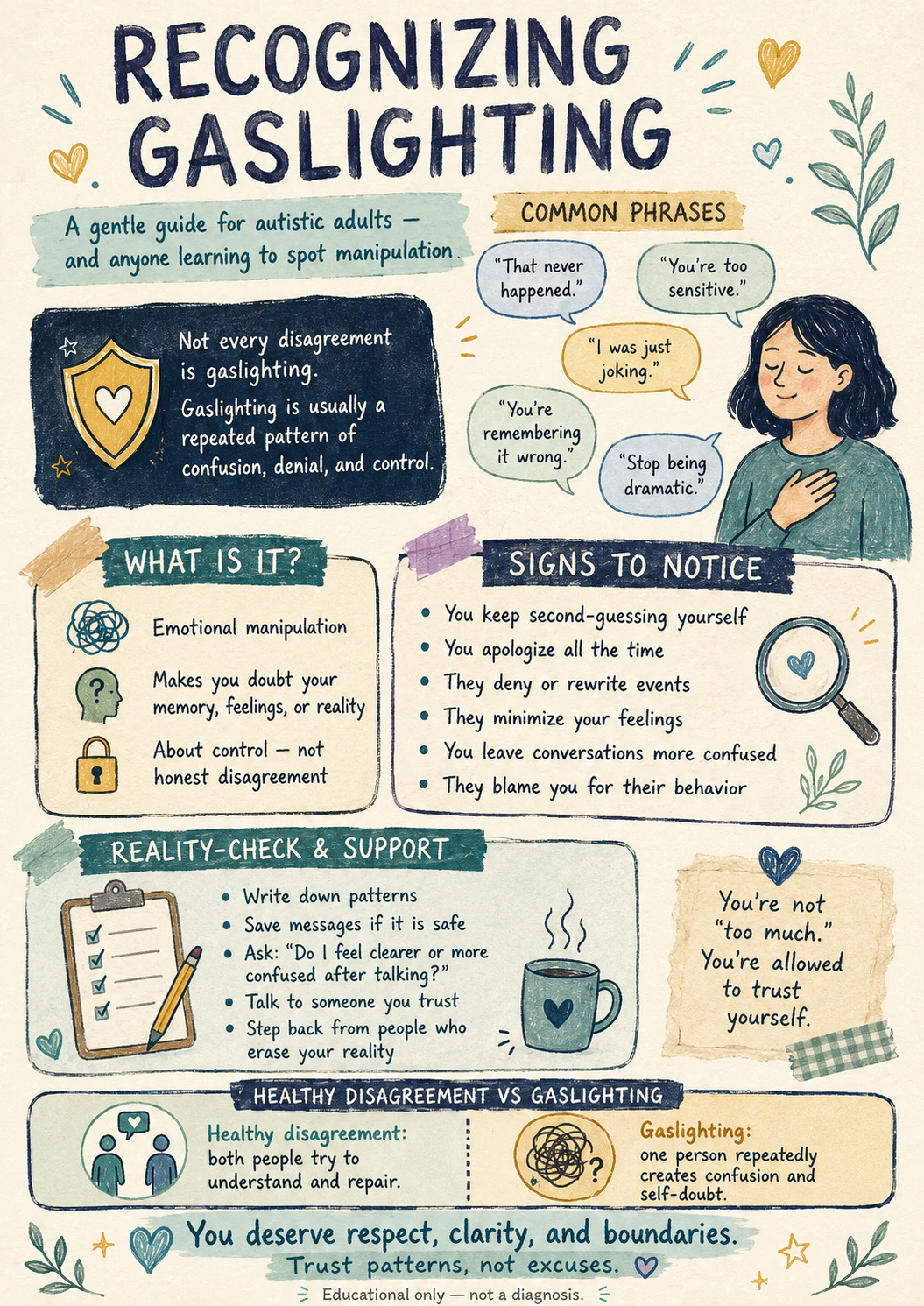
Name It, Know It
So Tired of Walking on Eggshells Around You!
How gaslighting can turn disagreement into self-doubt, why some autistic adults may miss the pattern, and how to listen and repair without erasing someone else.
Read the guide →The shape of this section
What you can find here
Name the behaviour
Specific definitions, realistic examples, and careful distinctions between disagreement, manipulation, coercion, abuse, and violence.
Question what is normalized
A closer look at behaviour people are often told to tolerate—and healthy boundaries that are too often treated as unreasonable.
Know your options
General information about documenting concerns, finding qualified support, and understanding that responsibility belongs to the person causing harm.
How the guides are made
What every guide should make clear
- what the article discusses and any content note;
- which statements are evidence, general guidance, or personal reflection;
- where location-specific health or legal information applies;
- the sources used and when the page was last reviewed; and
- where qualified or urgent support can be found when the subject requires it.
This collection provides general education. It does not diagnose, investigate, or replace individual medical, legal, therapeutic, or crisis support.