For adults and older teens
Quick exitFor mums
Plain words for things we are often expected to know without ever being taught: our minds, our bodies, our boundaries, and the names of experiences that are too often hidden behind embarrassment or silence.
This section brings together informative, visual, daring, and factual guides. It says difficult things clearly, distinguishes evidence from opinion, and leaves room for the reader to make her own decisions.
Say it plainly, support it with evidence, get power by understanding.
Newest guide
A new thing named plainly
Name It, Know It
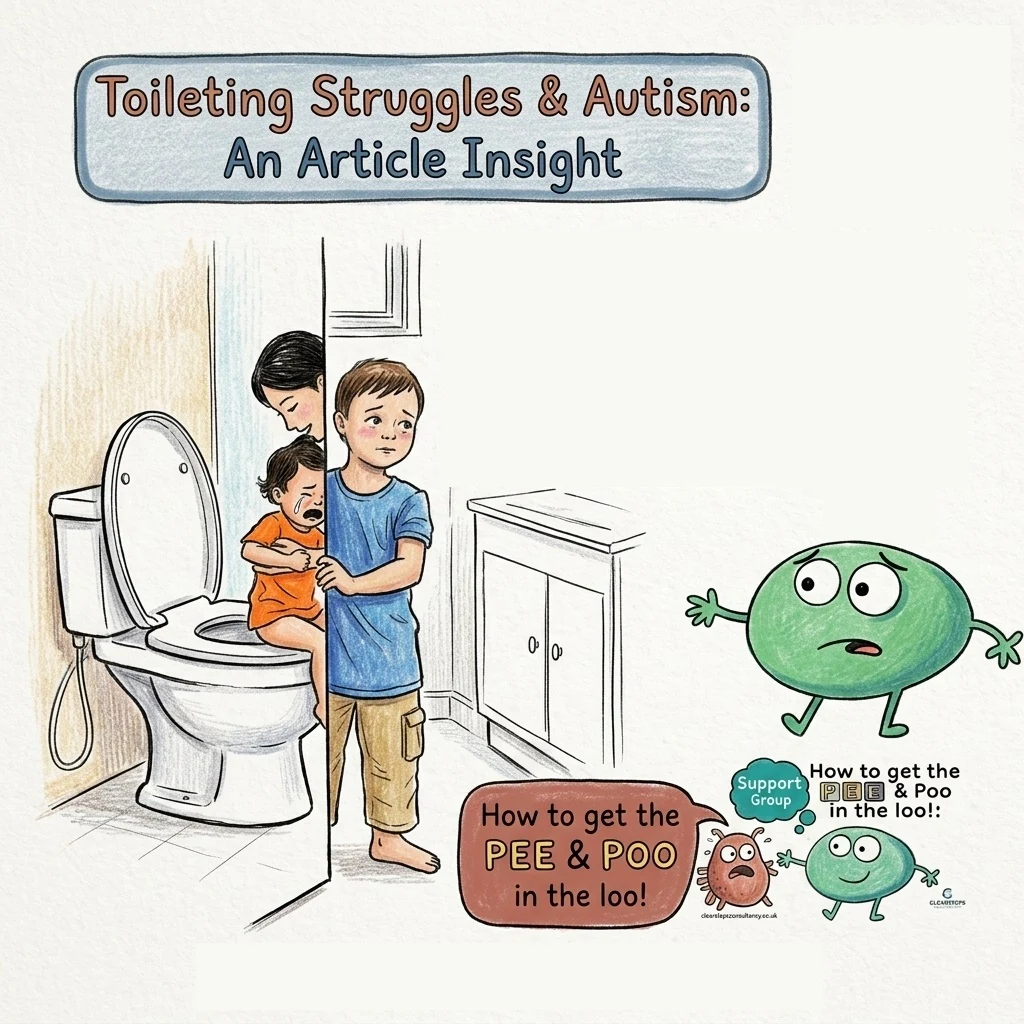
Why Is Everything Still a Struggle? Demand Avoidance in a Pinch
When knowing the toileting steps is not the same as being able to do them: one mother’s questions about stool withholding, sensory discomfort, fear and demand avoidance.
Read the guide →Three places to begin
What would help you understand today?
Choose a doorway. You do not have to know the correct word before you begin.

Understand what is happening
Mind & Mental Health
Plain-language guides to emotions, anxiety, trauma, overwhelm, therapy language, and finding the right kind of support.
When My Eyes Are Too Loud
Comic Strips, Blurry Vision, and Cognitive Overload

Say the difficult thing plainly
Name It, Know It
Direct explanations of gaslighting, coercion, consent, abuse, boundaries, harmful normalization, and basic rights.
Why Is Everything Still a Struggle? Demand Avoidance in a Pinch
When knowing the toileting steps is not the same as being able to do them: one mother’s questions about stool withholding, sensory discomfort, fear and demand avoidance.

Information we deserved earlier
Learn My Body
Visual, factual guides to women's health, reproductive health, medical consent, symptoms, appointments, and asking questions without shame.
Tiny Bottoms, No Guesswork: A Picture Guide to Nappy Hygiene
A calm, illustrated guide to safer nappy changes: what to prepare, how to clean baby girls and boys gently, what never to force, and when to seek medical help.
How each guide works
Each guide uses plain language, links its sources where relevant, and provides general educational information—not individual diagnosis or medical, legal, therapeutic, or crisis advice.