এগুলো আমাদের হয় না / That Doesn’t Happen to Us
On Autism, Denial, and the Violence We Call Discipline.
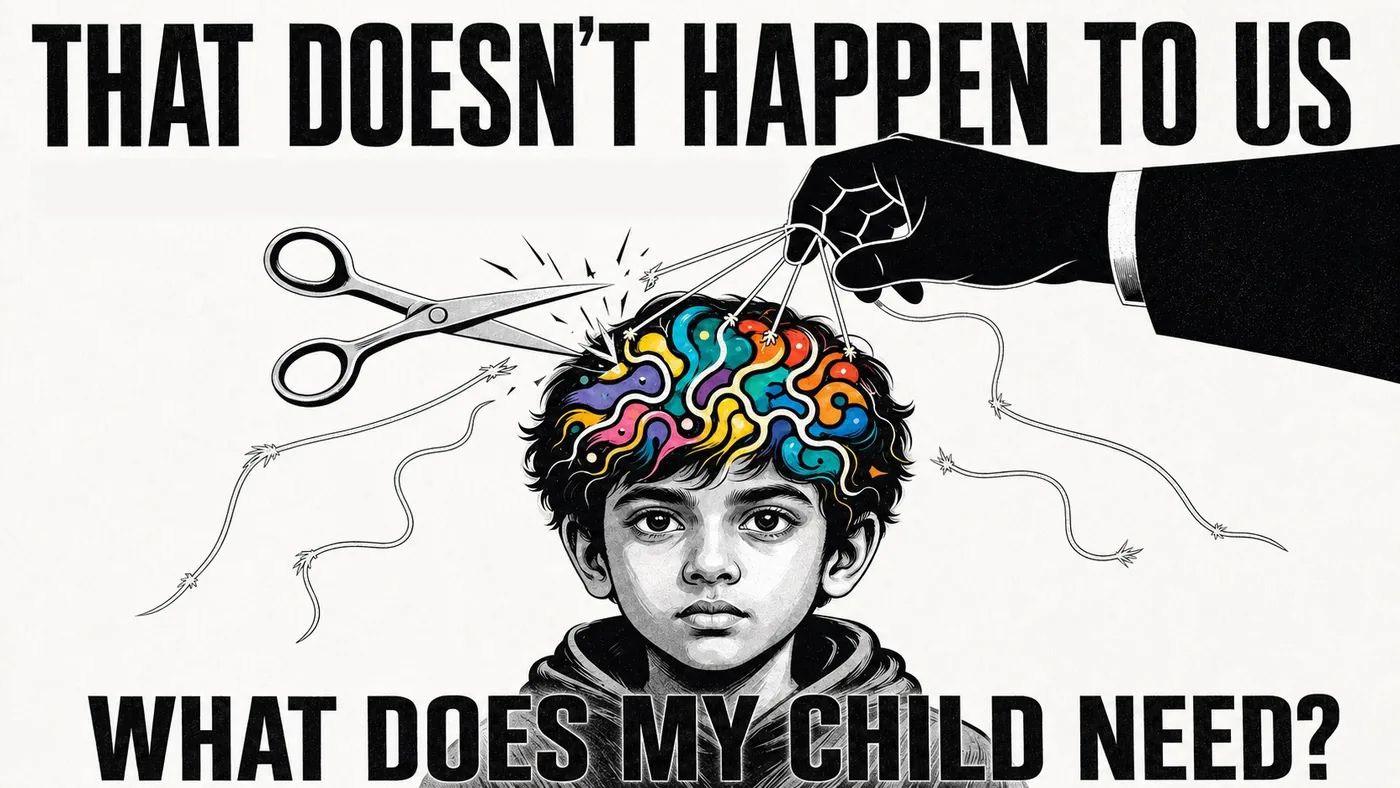
Why is it that whenever I’m trying to sleep, all my thoughts gather in my mind and I want to write—but the moment I sit in front of the screen, every thought seems to vanish?
কখনোই thought ধরে রাখতে পারি না কেন, বুঝি না।
এটা অবশ্য আমার therapist বলবে ADHD-র দোষ।
ADHD—অর্থাৎ বড়লোকের রোগ। First-world-country-র রোগ। যে রোগকে আমরা মধ্যবিত্ত মানুষ কখনোই পাত্তা দিই না। এগুলো আমাদের হতেই পারে না। এগুলো হয় ঘাড়ত্যাড়ামি, না হলে ফেতরামি।
বাচ্চা বড় হয়ে যাচ্ছে, কিন্তু এখনো কথা বলে না? নিশ্চয়ই ঘাউড়া।
বড় ছেলে রেগে গেলে plate ভাঙে? মাথা গরম।
এগুলো কখনোই learning disability কিংবা emotional regulation-এর সমস্যা হতে পারে না। কারণ এগুলো, ভাই, আমাদের হয় না।
The possibility that someone in your family might have a disability feels like a curse. What will people say if they find out?
“My child is on the autism spectrum”—এটা recognize করার চেয়ে, ভাই, recognize-ই করব না। তাহলে কেউ জানবেও না। কোনো কথাও হবে না।
এর মধ্যে বাচ্চাটি যে তার প্রয়োজনীয় help পাচ্ছে না, সেটা completely ignored হয়ে যায়. That part goes unnoticed. As if the child were the last thing to worry about, not the first.
আমাদের society অনেক বেশি মাথা ঘামায় কে কী বলবে, সেটা নিয়ে। আসল বিষয়টি খেয়াল করা important মনে করে না।
এখন যদি বলি, এটা ignorance বা lack of awareness—সেটাও completely ভুল নয়। আমাদের দেশে অনেক মানুষ আছেন, যাঁদের কাছে সেই resource-ই নেই যে এগুলো নিয়ে জানবেন, বুঝবেন বা কথা বলবেন।
আর যাঁদের কাছে resource আছে?
তাঁরা চোখ বন্ধ করে ignore করে যান।
কাউকে দূর থেকে দেখেও যদি মনে হয় তার কোনো disability আছে, তাহলে উল্টো দিকে দৌড় দেন। কোনো ধরনের association-ই রাখতে চান না। As if রোগটা ছোঁয়াচে।
আর মানুষেরই-বা দোষ কী? যাঁদের নিজের family-তে neurodivergent বা disabled কেউ আছেন, তাঁরাও যে বিষয়টি বোঝার খুব চেষ্টা করেন, তা কিন্তু নয়।
মাইর, কিল, বকাঝকা দিয়ে যতটুকু manage করা যায়, করেন। আর না পারলে পাগলা গারদ তো আছেই।
Let the people who are already dealing with more patients than they can handle deal with this one too.
বাচ্চাটির কী দরকার, কীভাবে তার জীবনটা সহজ করা যাবে, কীভাবে তাকে এই পৃথিবীতে বাঁচার জন্য প্রস্তুত করা যাবে—এগুলো আমাদের চিন্তা নয়।
আগে দেখি, মানুষ কী বলে।
আমি autism spectrum-এ থাকা একজন মানুষের মা।
আমার বাচ্চার মধ্যে concerning কিছু notice করলে আমাকে শুধু তার জন্য help খুঁজতে লড়াই করতে হয় না। আমাকে লড়াই করতে হয় system-এর সঙ্গে—যে system এখনো শিখছে, যাদের mind অন্যভাবে কাজ করে, তাদের সঙ্গে কীভাবে coexist করতে হয়।
আমাকে লড়াই করতে হয় family-র সঙ্গে—যাঁরা মানতেই নারাজ that something needs attention.
আমাকে লড়াই করতে হয় আমার নিজের conditioning-এর বিরুদ্ধে—যেটা আমাকে প্রতিনিয়ত বলে, I am being too much. আমি বেশি আদর দিয়ে আমার বাচ্চাকে নষ্ট করে ফেলছি।
একজন মানুষ সারাদিন এমন একটি বাচ্চার care করেন, যে নিজেকে regulate করতে পারে না, নিজে খেতে পারে না, নিজের হয়ে কিছু বলতে পারে না এবং নিজের অসহ্য লাগার কারণটি বোঝাতে না পেরে ক্রমাগত চিৎকার করে।
দিন শেষে সেই মানুষটির কি আর কোনো কিছুর সঙ্গে deal করার energy থাকে?
তার কি আর কোনো উপায় থাকে, except to slump onto the bed and pass out?
থাকে না।
There were years when I barely made it to bed before passing out. There were days when I fell asleep right before a meeting. Days when I lost my temper with my beautiful child—who wasn’t trying to make my life difficult. He simply didn’t know how to regulate himself or tell me that the noise was too much for him to bear.
But still, we keep going.
We gather whatever bits of energy we can muster, and we keep fighting.
We fight generations of conditioning that tell us, “আদর দিয়ে মা বাচ্চাটাকে নষ্ট করে ফেলেছে।”
We fight our own families.
We fight a system that was never built for neurodivergent people.
And we keep fighting so that, one day, our children might be able to navigate this world without being reduced to the word “abnormal.”
In no language does it make sense to me that you can love your child too much.
How can love be too much?
How can wanting to understand and help your child be too much?
It does not make sense to me.
“বেশি কাঁদলে রেখে চলে যাবে। নিজে নিজেই ঠিক হয়ে যাবে।”
In what world does it make sense to treat a human being this way? What would you say if a grown person were crying and everyone simply abandoned them until they stopped?
What would you call it if you were forced to eat pork despite being Muslim or Jewish? Or beef despite being Hindu?
Would that not plainly be called torture?
The reasons for refusing the food may be different, but the question of bodily autonomy remains.
Why, then, outside a medical emergency, is it considered acceptable to force food into the mouth of a child who cannot speak? A child who cannot explain what that food tastes or feels like to them? A child who has no way to tell us what their body is experiencing?
How has this become so normalized that refusing to do it is considered strange—or even bad parenting?
বিশেষ করে একটি neurodivergent শিশুর ক্ষেত্রে—যে হয়তো কোনো খাবারের texture, কোনো শব্দ, গন্ধ, আলো, স্পর্শ কিংবা মানুষের উপস্থিতি কেন সহ্য করতে পারছে না, সেটাই ভাষায় বোঝাতে পারে না।
আমাদের society তার সেই সম্পূর্ণ অভিজ্ঞতাকে একটি convenient category-র নিচে ফেলে দেয়:
“Needs discipline.”
How long are we going to ignore, avoid, and deny neurodivergence?
How long before we put our children’s needs first?
Why can’t we think past, “লোকে কী বলবে?”
When will we finally stop and ask:
What does my child need?
How can I help them?
How can I teach them skills in a way they can actually learn?
How can I make their life easier?