The Apothecary Diaries (Volume 6): Politics, Family Roots, and Refreshingly Platonic Dynamics
A spoiler-aware review of The Apothecary Diaries, Volume 6, on Maomao’s family, Basen and Lishu, court politics, and relationships that do not need to become romances.
About this review
- Subject
- The Apothecary Diaries, Volume 6
- Author
- Natsu Hyuuga
- Format
- Light novel
- Spoilers
- Spoilers for Volume 6.
Spoiler warning: This review contains spoilers for Volume 6.
Affiliate disclosure: The Amazon.ca link is an affiliate link. If you buy through it, I may earn a commission at no extra cost to you. As an Amazon Associate I earn from qualifying purchases.
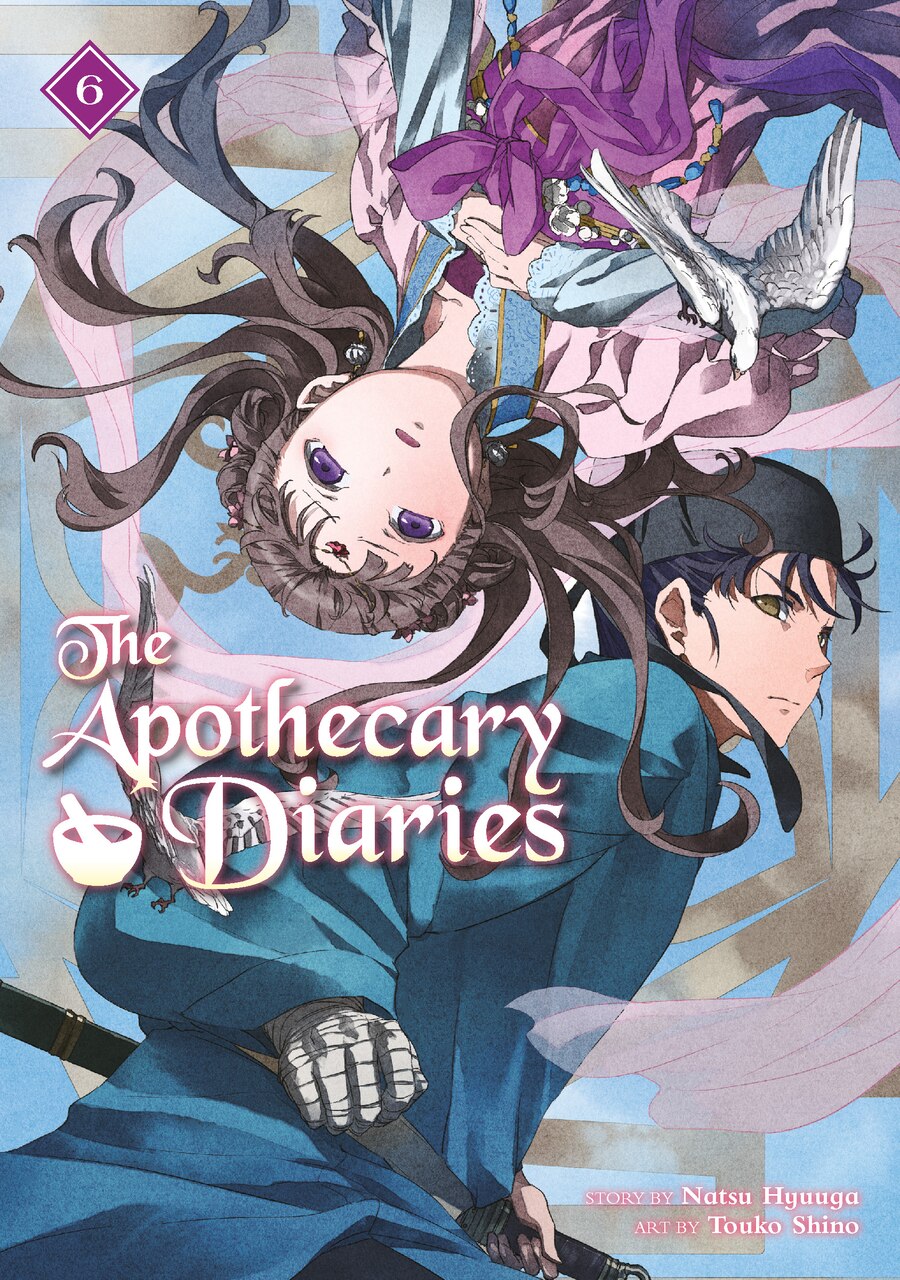
Volume 6 of The Apothecary Diaries picks up in the aftermath of the events in the western capital, and even the journey home brings Maomao unexpected revelations about her family. Back in the royal capital, she returns to her familiar combination of apothecary work, inconvenient mysteries, and people whose problems somehow become hers. Between investigating the “White Lady,” encountering familiar faces, and examining supposedly supernatural events through medicine and observation, she has plenty to keep her occupied.
Maomao and Jinshi spend relatively little time together in this instalment, and much of their interaction feels formal and businesslike, with a brief moment near the end offering something more personal. Yet the story never loses momentum for me. Court politics and the histories of the people around Maomao provide more than enough reason to keep reading.
Basen was a particular standout. I was moved by how far he is willing to go for Lishu, and by the courage and loyalty that emerge when she needs him. His feelings carry weight because we see what he is prepared to do about them. That gives their storyline an emotional pull that stays with me amid all the political manoeuvring.
The exploration of the La family was another highlight. The complicated connections between Luomen, Lakan, and Lahan become clearer, bringing more context to Maomao’s upbringing and the circumstances surrounding Lakan’s absence. There is more to that history than a father who simply chose not to care, and I appreciated being given room to understand it. At the centre of it all is Luomen, who remains one of the kindest souls in the series. His decision to raise Maomao already says so much about him; the glimpse into his own experience of love and loss adds another layer to the gentle man we know. Learning more about his past made his quiet kindness feel even more moving.
For all those revelations, though, one of my favourite things about this volume is something wonderfully ordinary: Maomao and Basen bicker, get irritated with each other, and get on with things without their dynamic being turned into a romance. Their exchanges are entertaining on their own. They do not need to be clues that the two secretly want to fall into each other’s arms.
It boils my blood when literature treats every interaction between a man and a woman as the beginning of a love story. I have read far too many stories, particularly those shaped by a narrowly male-centred perspective, in which women seem to have only two available roles: being romantically preoccupied with men or manipulating them for personal gain. Where is the room for friendship, professional respect, ordinary irritation, or simply having something else to think about? Sometimes two people have a job to do, and one of them is getting on the other’s nerves. That is a perfectly good dynamic.
The Apothecary Diaries gives Maomao that room. Whether she is trading barbs with Basen or working alongside Sazen, her relationships with men have purposes and personalities beyond romantic possibility. Shared work, competence, respect, and exasperation can sustain an interesting connection all by themselves. I particularly like that the series can develop Basen’s feelings for Lishu while allowing his relationship with Maomao to remain entirely different. Everyone does not have to be a potential love interest simply because they occupy the same story.
That is a large part of what makes Maomao such a compelling protagonist. Her curiosity, work, family ties, and friendships give her a life with substance beyond the question of whom she might eventually love. Even when Jinshi is less present, she remains thoroughly herself—and thoroughly worth following.