Babel—An Arcane History
I expected an arcane history with magic and mystery. Instead, Babel hit me with an actual literary brick about language, empire, grief, belonging, and the violence of being useful but never truly loved.
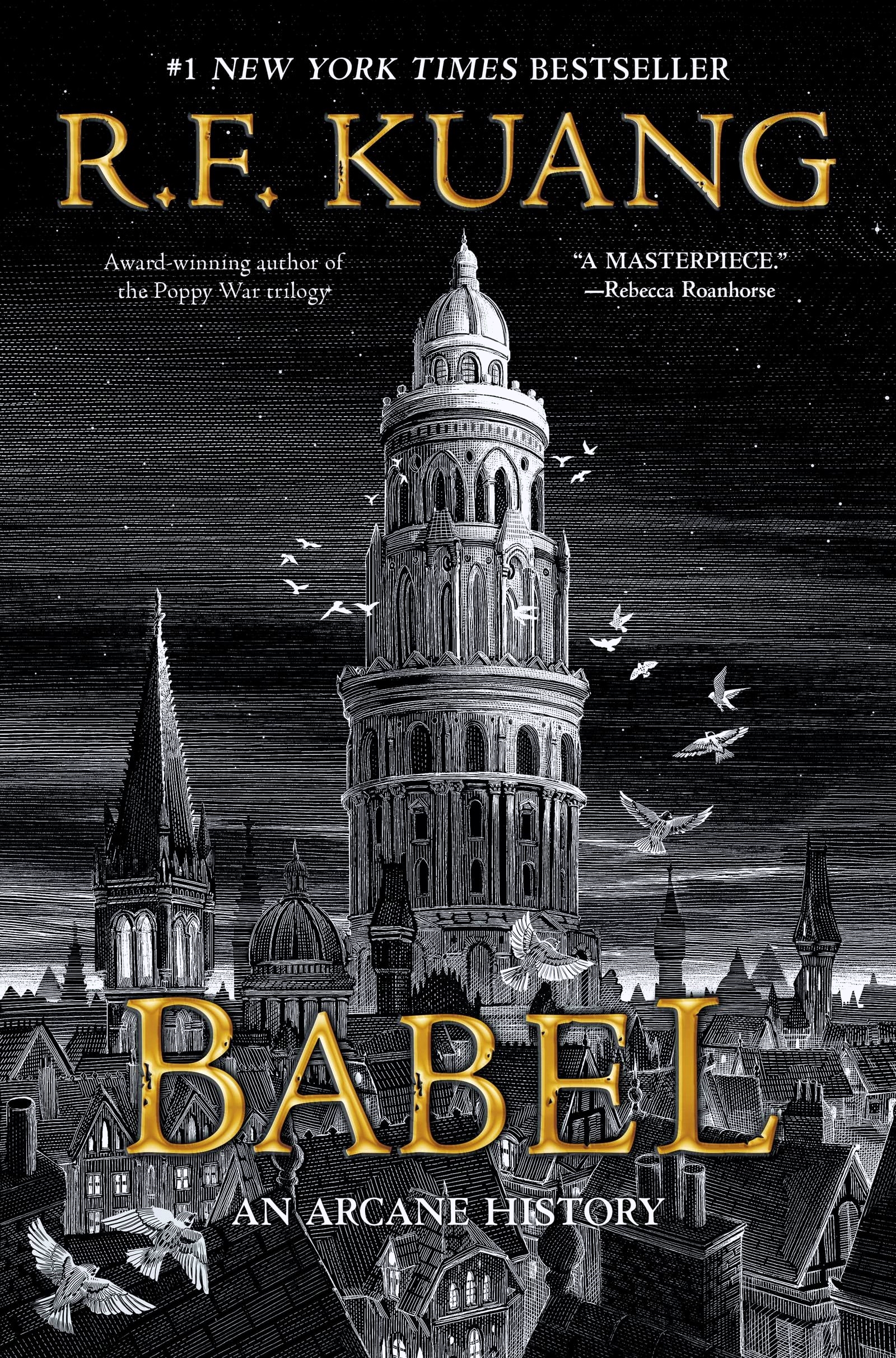
Listening details: Babel by R.F. Kuang · Audiobook · Fantasy / dark academia / historical fiction.
Affiliate disclosure: The Amazon.ca link is an affiliate link. If you buy through it, I may earn a commission at no extra cost to you. As an Amazon Associate I earn from qualifying purchases.
I finished Babel by R.F. Kuang, and honestly… damn. I went into this thinking “an arcane history” meant something like A Discovery of Witches, with magic, mystery, historical facts, and maybe some fun darkness here and there. What I did not expect was to be hit by an actual literary brick.
This book made me face things I did not expect to face: abandonment, orphanhood, being taken in by people who still do not fully claim you, bad parenting, emotional and physical abuse, alienation, racism, empire, language, translation, and the terrible feeling of being useful only as a tool to people who do not actually love you—people you would still give everything for. So yes. Light little read. Very casual.
I listened to the audiobook every chance I got. Even when I had only a little time, I kept going back to it. And what surprised me most was how much it made me think about words. Meanings. Etymology. Translation. Translators. The cost of taking one language and forcing it to serve another. These are things I had never really sat down and thought about deeply before, and this book made them feel urgent.
The magic system is not fascinating in the Brandon Sanderson kind of way. It is not the kind of magic system where I sit there admiring the rules and mechanics. But the silver-working and translation felt tied to the violence of empire. Language is not decoration here. Translation is not just academic work. It becomes labour, power, theft, resistance, and sometimes a weapon.
But what really got me was how personal it felt. Robin’s relationship with Professor Lovell reminded me sharply of my own father, who is not the greatest father out there—and yes, that is an understatement. Despite this being a story set in a very different world, it touched some very sensitive places in me. The way someone who is supposed to be a role model can shape your life while withholding actual love or belonging. That hurt to read because it felt too familiar.
No fantasy book has ever done that to me.
I also loved how flawed the characters were. Nobody is clean in this book. They make mistakes. They make selfish choices. Some characters are not great people, but not cartoonishly evil either. Even the clearly bad characters often have motivations that feel real. That made the story more painful because it was not always simple good versus bad. It was people trying to survive inside systems that had already damaged them. And the ending left me open-mouthed.
I keep thinking about how this book pulled me toward other literary works too, especially Oroonoko. Funny thing is, I was already thinking about that book while reading, and then Kuang herself mentioned it in connection with how the protagonist acts. That moment felt almost eerie, like the book had heard me thinking and decided to answer back.
Overall, Babel was not what I expected. It was not just fantasy. It was not just dark academia. It was not just historical fiction with magic. It was a book about language, power, empire, grief, belonging, and the violence of being shaped by people and institutions that never truly see you as equal. It is heavy. It is sharp. It is uncomfortable. It made me think in ways I did not expect.