The Second Siege: The Last 10% Finally Found Its Groove
I nearly gave up on The Second Siege at 82%. Then the final stretch arrived with the momentum, logic and cunning villain I had wanted all along.
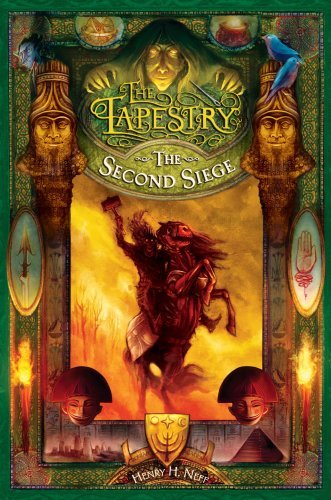
Listening details: The Second Siege by Henry H. Neff · Book two of The Tapestry.
Affiliate disclosure: The Amazon.ca link is an affiliate link. If you buy through it, I may earn a commission at no extra cost to you. As an Amazon Associate I earn from qualifying purchases.
Spoiler warning: This review discusses plot developments and my reaction to the ending.
I finally finished The Second Siege by Henry H. Neff. After numerous attempts. At 82%, I was so frustrated that I had already written a reflection saying I was done. Not necessarily done listening—I was still going to finish—but done investing so much brain and heart into a story that kept making me question its logic.
And then the last 10% happened. Where had this version of the book been?
My biggest frustration was not that the story was fantastical. Obviously. It was that too many things felt insufficiently explained or unconvincing within the world itself. Take the powerful, wish-granting demon trudging along on foot, following two teenagers. Whatever the intended reason, that scene did not work for me. Why couldn’t he already be sitting at their campsite, roasting rabbits when they woke up? That would have been unsettling. Instead, I was thinking about the logistics of a villain following children around rather than feeling threatened by him.
Then there was the realm where Max’s mother had been living. I struggled to understand how it connected to their world, how entering it worked and what to make of the difference in how time passed. Those details have substantial consequences, but I did not feel the explanations gave them enough weight. Why did she need to spend years there alone? I wanted that isolation to feel necessary to the story, not simply something dramatic I was expected to accept.
The King, his castle and his court left me with a similar feeling. We arrive, encounter something apparently important, and move on before I feel I understand its purpose. There is a difference between being intrigued by what I do not know and wondering why the story took me there at all.
Fantasy does not have to obey our reality. It still needs to convince me of its own. I do not need every mystery explained or a technical manual for the magic. But I need enough consistency to understand why something is difficult, dangerous or necessary. For much of this book, the progression felt forced—as though the story was being pushed towards particular events rather than developing organically.
The ending, however, deserves credit. That final stretch was far more exciting, and Max’s decisions made more sense to me from his point of view. I could follow his reasoning even when the circumstances were difficult. The story finally had the momentum and coherence I had been missing. It felt like the author had found his groove again.
I particularly liked how the villain gets his way through patience and calculation. He is cunning without becoming so impressed with his own cleverness that he gets careless. He waits. He does not get cocky like Voldemort. See? It is reminding me of Harry Potter again, even while I am trying to give it its own credit.
Does a strong ending erase everything that frustrated me at 82%? No. I still struggled through a substantial portion of the book. But it would be unfair to leave my earlier reaction as my final verdict, because the ending genuinely improved the experience.
I finished more interested than I had expected to be. The ending does the book credit. I just wish more of the journey had felt like that last stretch.