The Numberblocks Takeover
Numberblocks took over our living room—but also became a bridge into maths, motor skills, pretend play, conversation, and confidence.
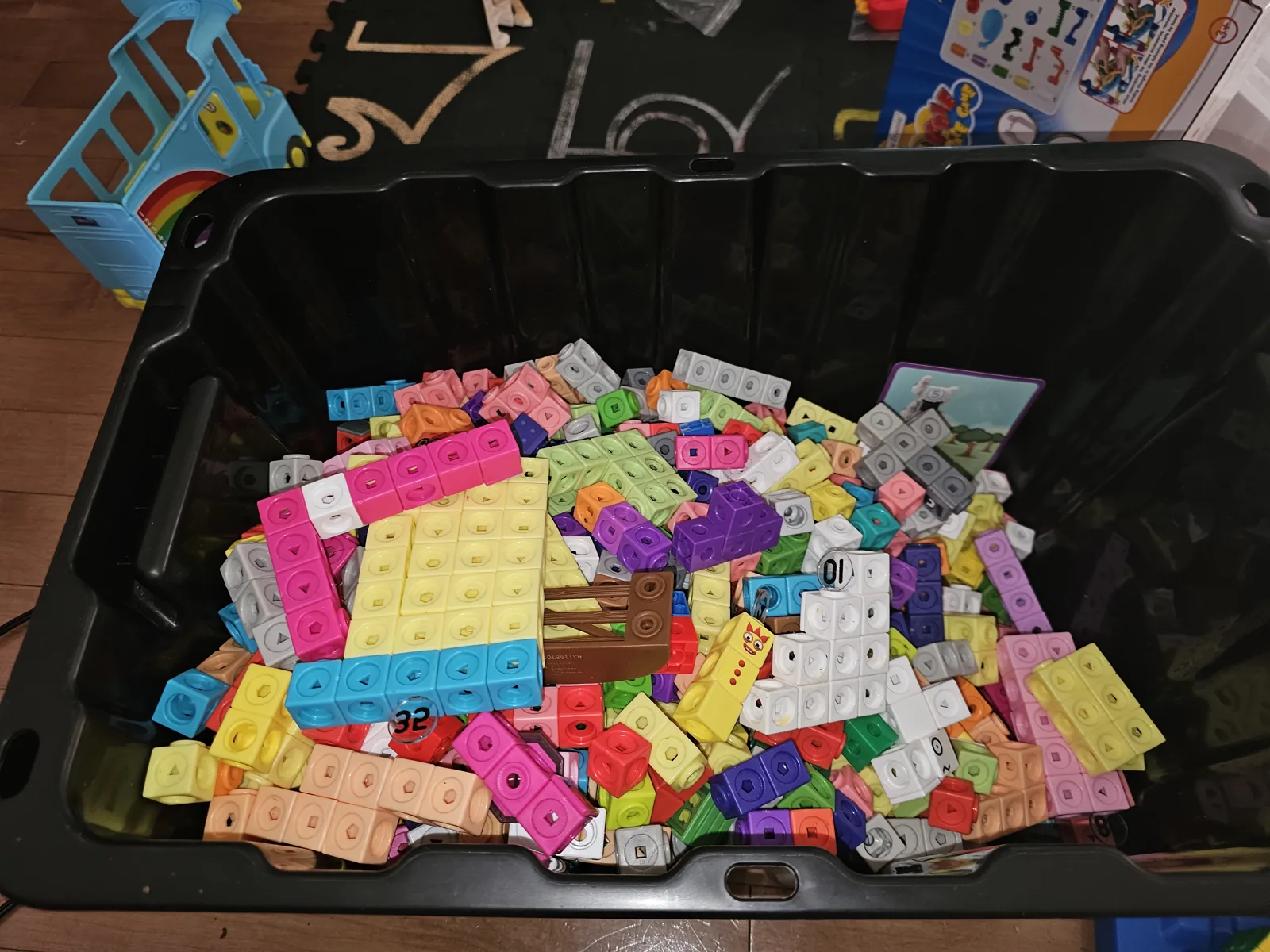
I don’t remember exactly when my son started watching Numberblocks. I also don’t remember the first Numberblocks toy we bought him. That feels a little like trying to remember the first raindrop in a flood.
Because we are no longer in the my child likes Numberblocks stage. We are in the Numberblocks has taken over our lives stage.
There are Numberblocks toys in the living room. Workbooks. Board games. Plushies. “Action figures”—and yes, I am calling them action figures because these little blocks have more personality than some adults I know. We have multiple copies of some toys because apparently one set of numbers wasn’t enough. We needed backup numbers, emergency numbers, duplicate numbers, and possibly numbers in witness protection.
Open the storage box in our living room and it looks less like a child’s toy bin and more like Numberland had a housing crisis and everyone moved in with us.
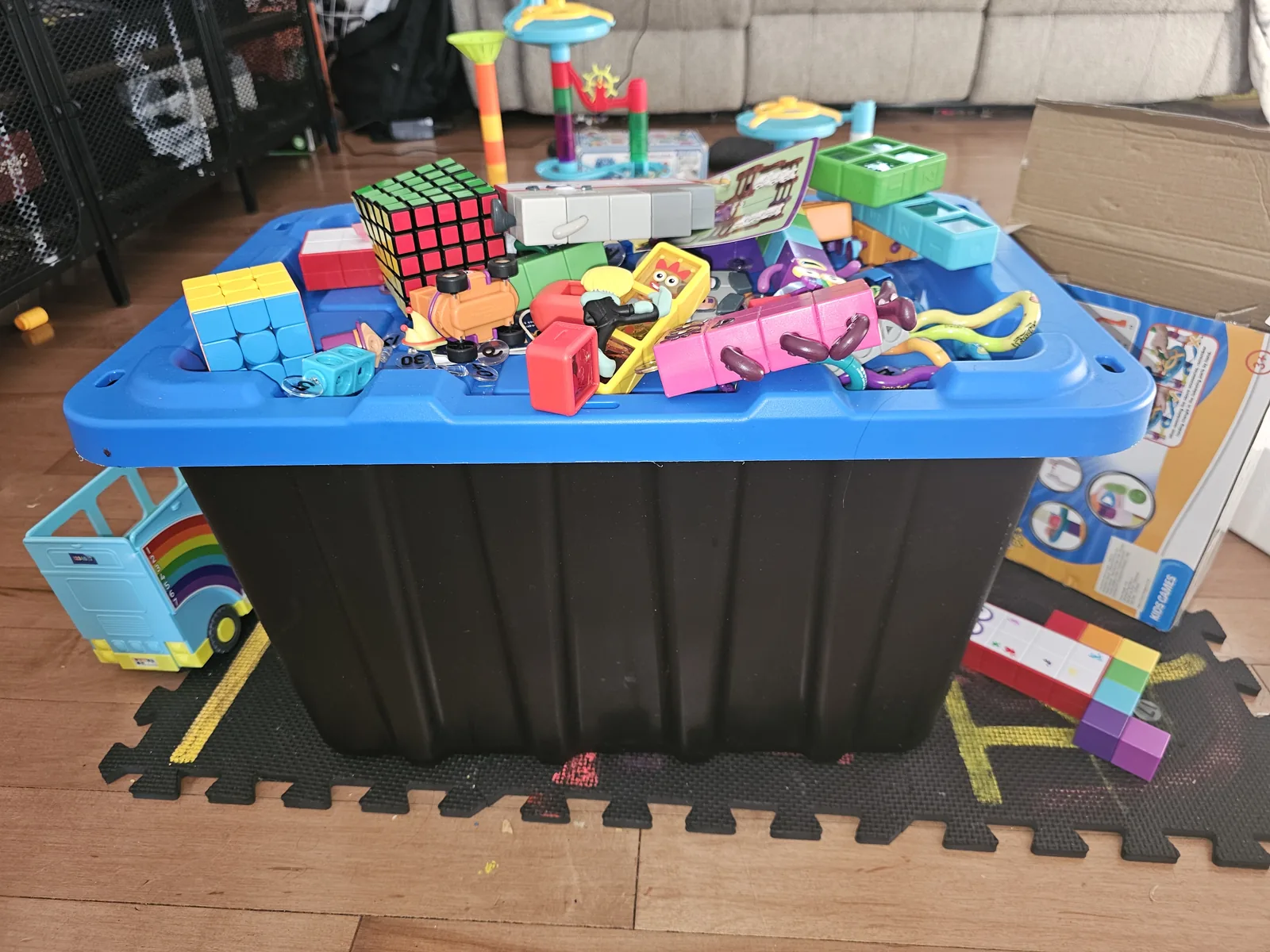
And somehow, it didn’t stop with toys.
Then came the cakes
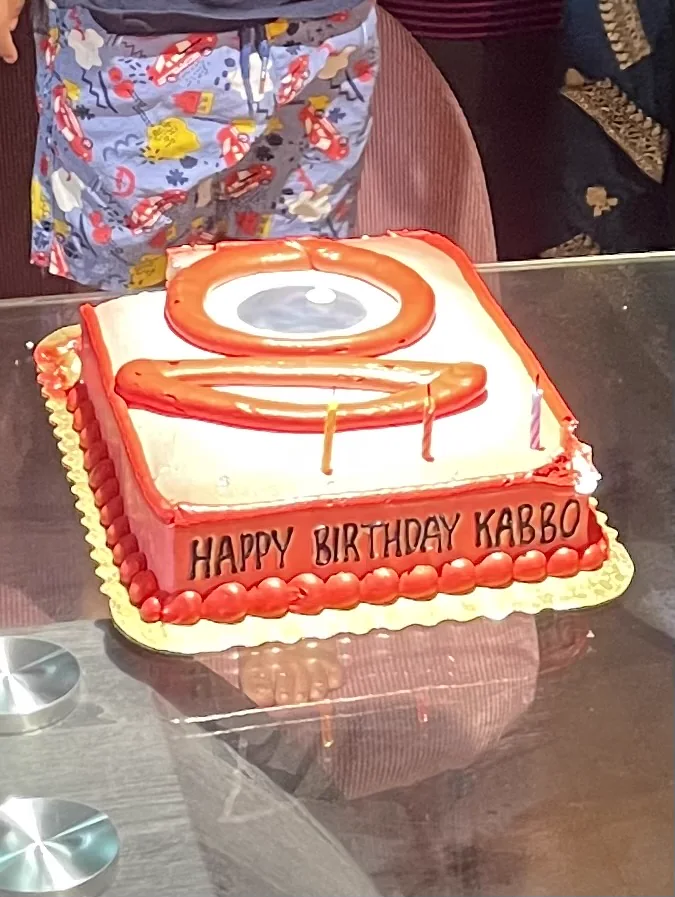
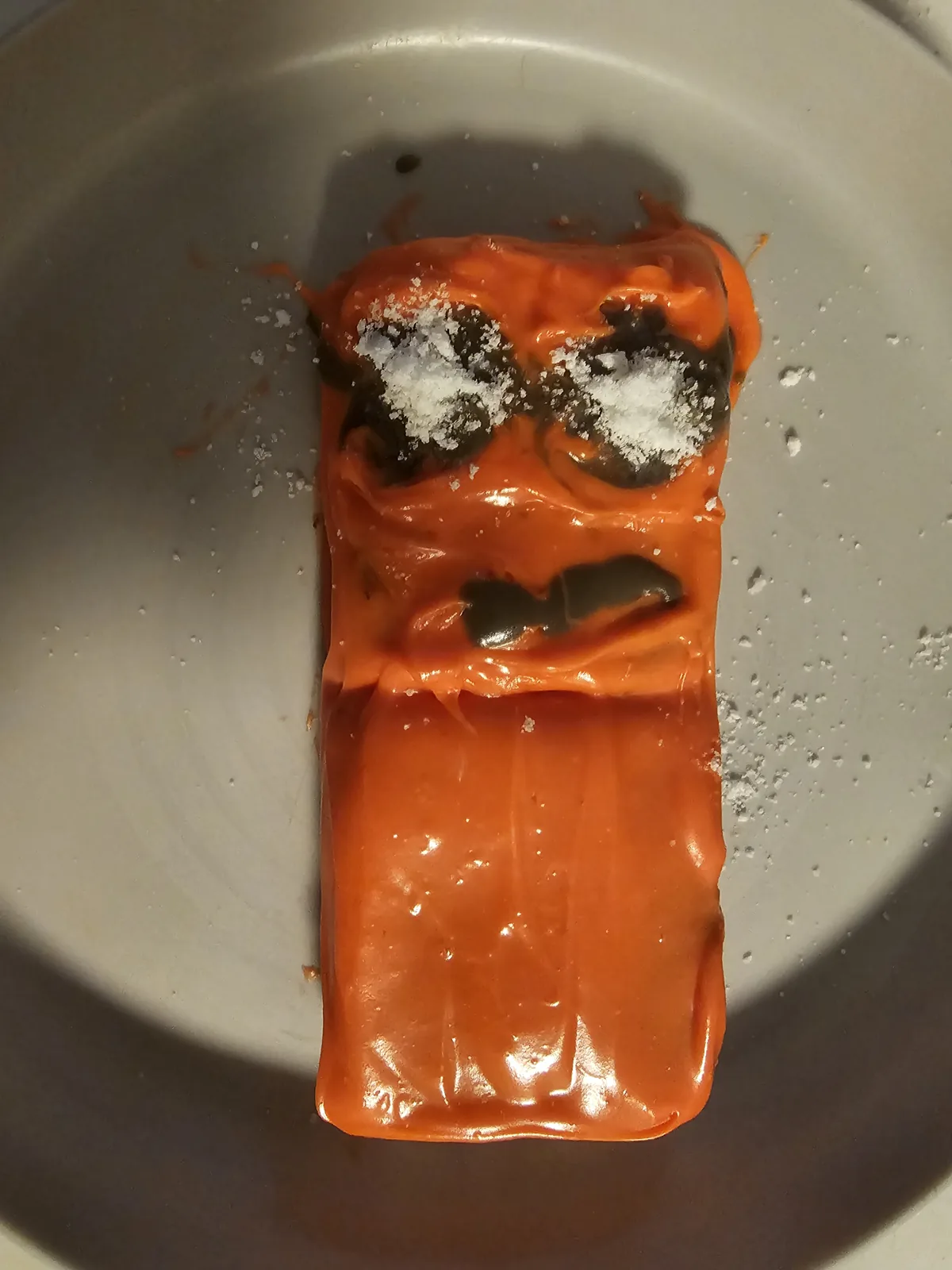
We have now had Numberblocks birthday cakes too. Numberblock 1 was made by Cakes and More here in Cornwall. Numberblock 2 and Numberblock 4 were made by me at home and looked… let’s just say, very homemade. Numberblock 5 went back to the professionals. And most recently, there was the big Numberblock 6 cake for his sixth birthday.
We somehow skipped Numberblock 3 along the way, which my son has noticed. I have now promised to make him one before December. So yes. There is currently a contractual Numberblock 3 cake obligation hanging over my head.
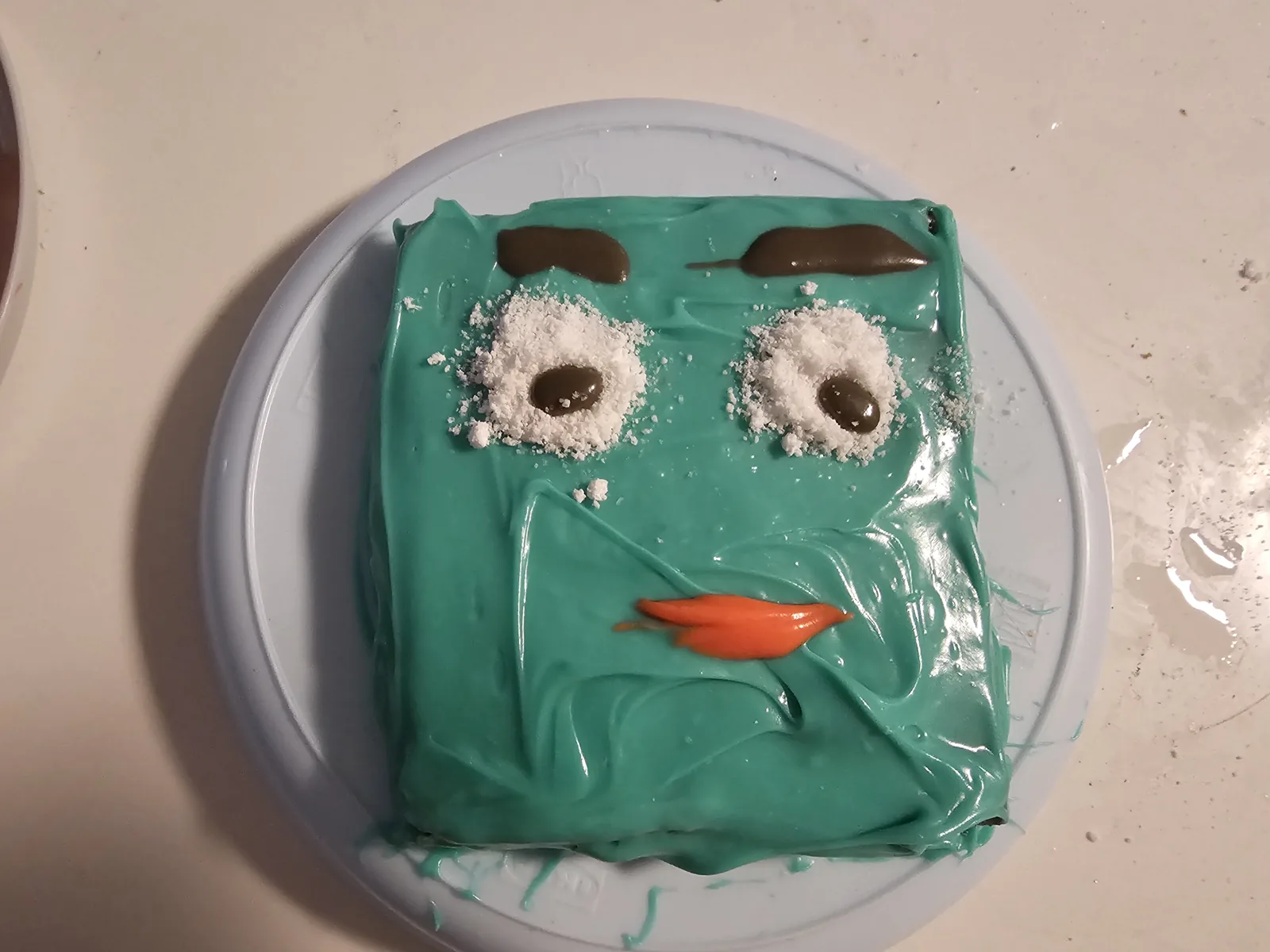
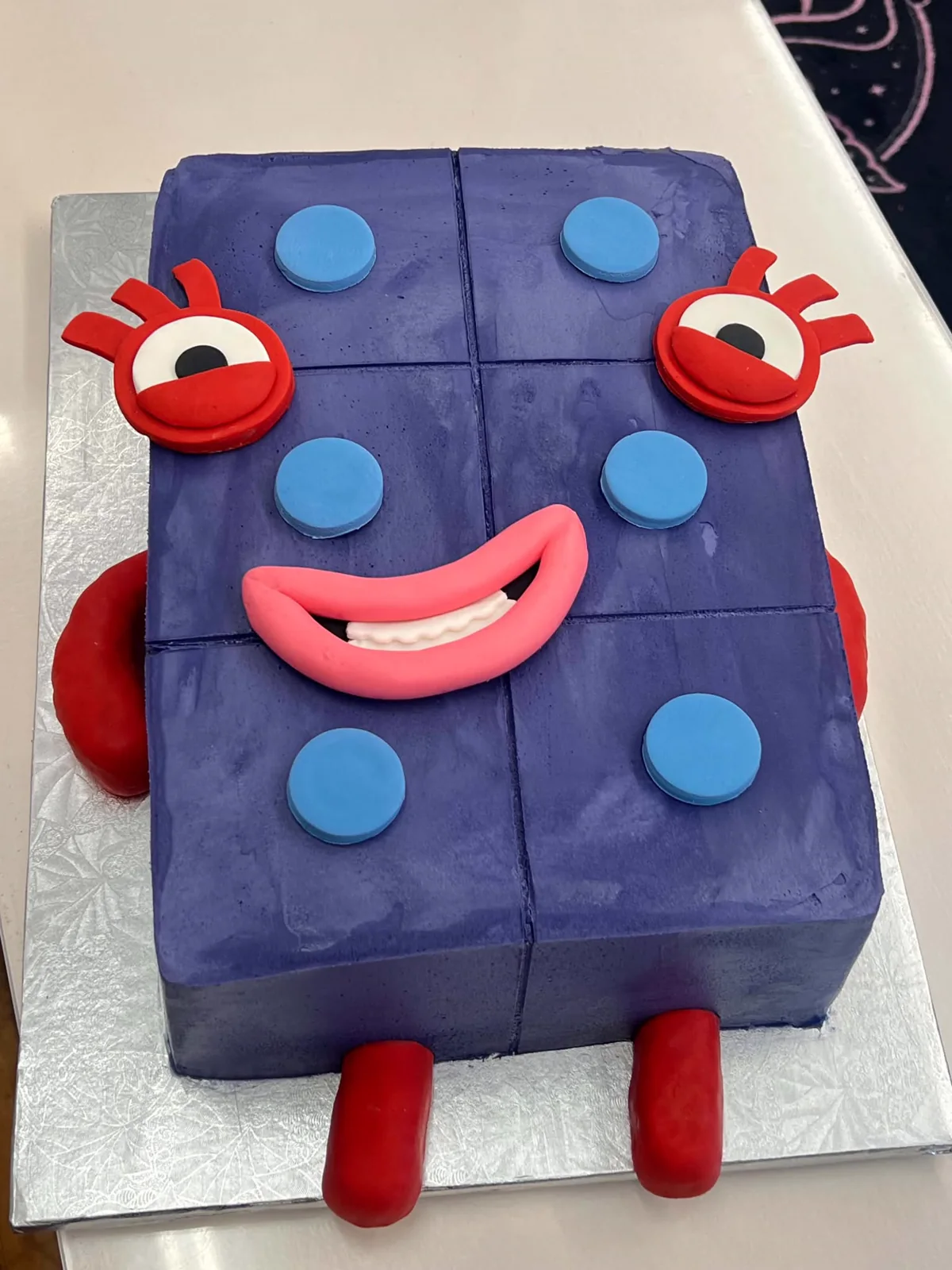
But somewhere between the toys, cakes, books, and little plastic numbers invading every corner of our house, I realized something. This interest has actually done an enormous amount for him.
Numberblocks made maths something he could touch
That’s probably the biggest thing Numberblocks did. Numbers stopped being symbols written on paper. They got bodies. Faces. Colours. Personalities. Songs. And because the characters themselves are physically made from blocks, mathematical ideas suddenly became things my son could see and build.
Take Blockzilla. Greater than and less than don’t have to begin as < and > on a worksheet. Put two Numberblocks on either side and one side goes down while the other goes up. One is bigger. One is smaller. You can see it. You can move it. You can understand why.
And honestly, I know some adults who could still benefit from Blockzilla.
The blocks unexpectedly helped with something else
My son used to struggle with Lego. The pieces were small. Clicking them together was frustrating. And when the thing in his head didn’t become the thing in his hands, frustration usually won.
MathLink-style Numberblocks cubes gave him another way in. Now there was a reason to connect the pieces. Build Five. Break Five apart. Build Ten. Make a square. Make a cube. Take it apart and make something else. Without us deliberately turning it into an exercise, he was practising the same fine-motor skills that had previously frustrated him.
And then the maths grew with him. He understands what 3³ means because he can physically build a three-by-three-by-three cube and see it. He understands the concept of a power.
He is six.
That still blows my mind a little.
Even the “action figures” have a job
The solid Numberblocks figures probably look like the least educational things we own. They’re little plastic characters. What could they possibly be teaching?
For my son, quite a lot.
Each Numberblock has a personality. One isn’t Two. Five isn’t Six. Even characters representing the same number can behave completely differently—Octoblock and Octonaughty are both Eight, but they certainly aren’t the same person. That similar-but-different idea has been surprisingly useful.
The figures let him become different characters and act out conversations. Someone says something unexpected. Another character reacts. The story changes. He has to adjust. We can practise situations through play without announcing: HELLO CHILD. WE WILL NOW PRACTISE SOCIAL SKILLS.
Numberblock 5 gets upset. Numberblock 6 says something unexpected. Numberblock 3 gets dramatic. And suddenly we’re practising conversation, turn-taking, emotions, flexibility, and responding to things that didn’t follow the script. There have been situations where he has handled a new conversation better because some version of it has already happened in Numberland.
It’s play, but sometimes it’s rehearsal too.
And then Numberblocks apparently opened more departments
Our collection is now ridiculous enough that it probably deserves its own customs declaration. There are Friends figures from One through Twenty. MathLink sets from 1–10, 11–20, 21–30, and 31–40. Heroes with Zeroes. Sheep Farm. Race to Pattern Palace. Workbooks. Plushies. The backpack.
Then came the Rainbow Counting Bus. And the Numberblocks Five Sensory Bottles.
Because apparently Numberblocks wasn’t satisfied with occupying the toy box and bookshelf. It needed transportation and the sensory department too.
The Rainbow Counting Bus turns counting into movement and pretend play. Numbers get on. Numbers get off. They travel somewhere. A maths toy becomes a story. The sensory bottles are something completely different: colours, movement, patterns, and predictable little visual details to watch.
At this point, Numberblocks has taken over all ministries.
The collection is ridiculous. I also don’t regret it.
Do we have everything? No. Does it feel like we have everything? Absolutely. Does my son still know exactly which things we don’t have? Unfortunately, yes.
And this is how they get you.
But I can’t even be properly annoyed about it. Because yes, I have spent more money on block-shaped creatures than I ever imagined I would. Yes, there are little numbers everywhere. Yes, I now have strong opinions about whether Numberblock 5 is the correct shade of blue.
But I have also watched my son build, count, compare, create, problem-solve, role-play, and communicate through this world. I’ve watched things that frustrated him become things he enjoys. I’ve watched abstract ideas become physical things he can hold in his hands. And I’ve watched characters from a children’s programme become tools he uses to understand conversations and people.
That’s the part that gets me. Sometimes a show isn’t just a show. Sometimes an interest becomes a bridge.
For my son, Numberblocks became a bridge into maths, motor skills, pretend play, conversation, and confidence. So yes, Numberblocks has taken over our lives. There is a giant storage box in the living room to prove it. There are duplicate toys to prove it. There have been six years’ worth of Numberblocks cakes—minus the conspicuously absent Numberblock 3, whose debt I apparently need to settle before December.
But I don’t really think of it as just an obsession anymore. It’s his interest. It’s one of his languages. It’s a learning tool. It’s his little Numberland.
We just happen to live there too.
A very real superfan disclaimer
This is not sponsored, gifted, or paid advertising. No brand asked us to write this. We bought these toys, books, and app subscriptions ourselves because my son is a genuine Numberblocks superfan. At this point, we even pay for the Numberblocks World and Numberblocks Hide and Seek apps. My opinions stay mine, and the links are here because these are things in our collection.
Exact Numberblocks products mentioned
Affiliate disclosure: The Amazon.ca links are affiliate links. If you buy through one, I may earn a commission at no extra cost to you. As an Amazon Associate I earn from qualifying purchases.
Inside our Numberland
The products in our collection
A visual tour of the Numberblocks things that have moved into our home. Select any card to see the product on Amazon Canada.
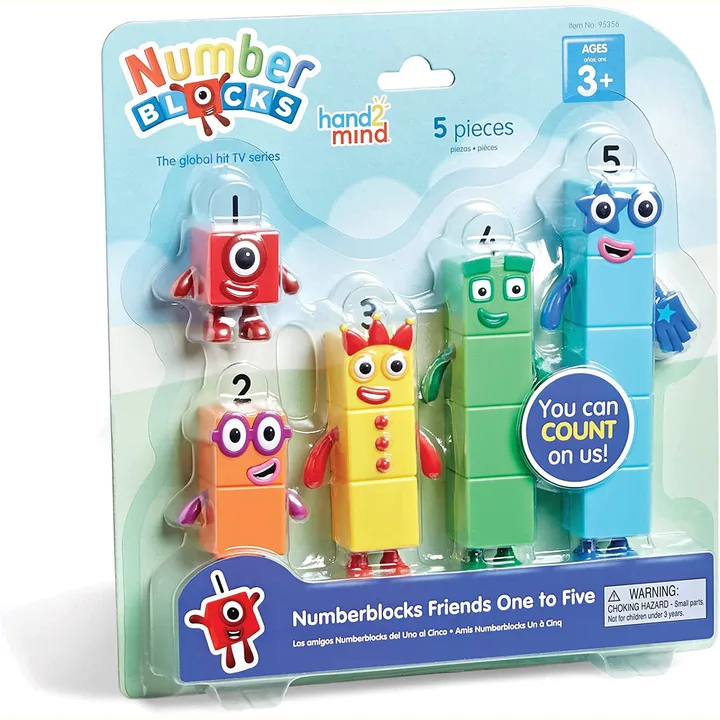 Numberblocks Friends One to FiveFive sturdy character figures for counting stories, role-play, and very serious Numberland conversations.See product
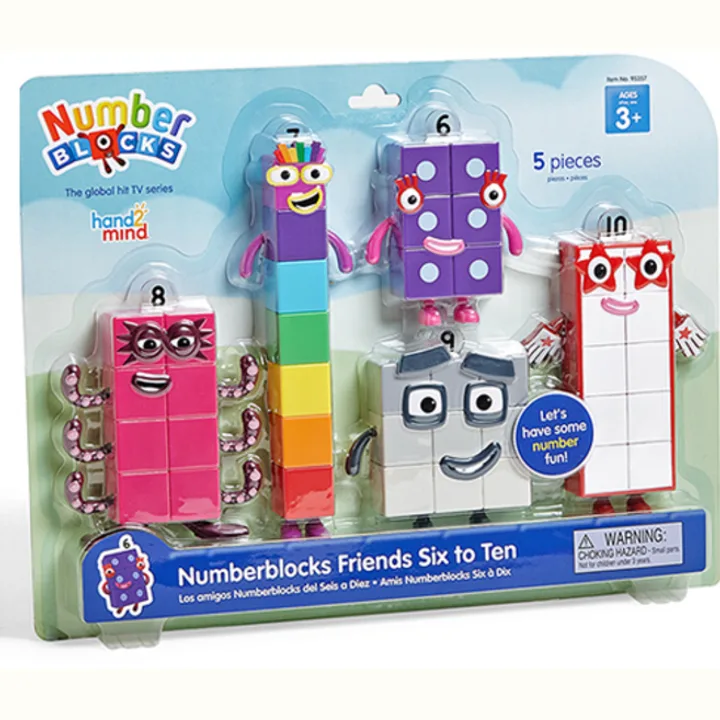 Numberblocks Friends Six to TenThe next five solid figures, ready for number stories and imaginative play beyond Five.See product
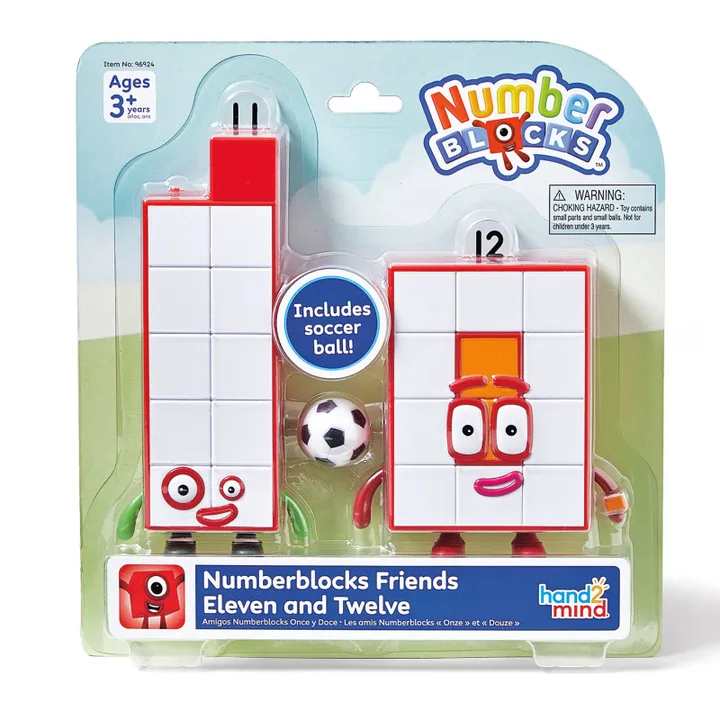 Numberblocks Friends Eleven & TwelveEleven, Twelve, and a tiny football for acting out favourite scenes and inventing new ones.See product
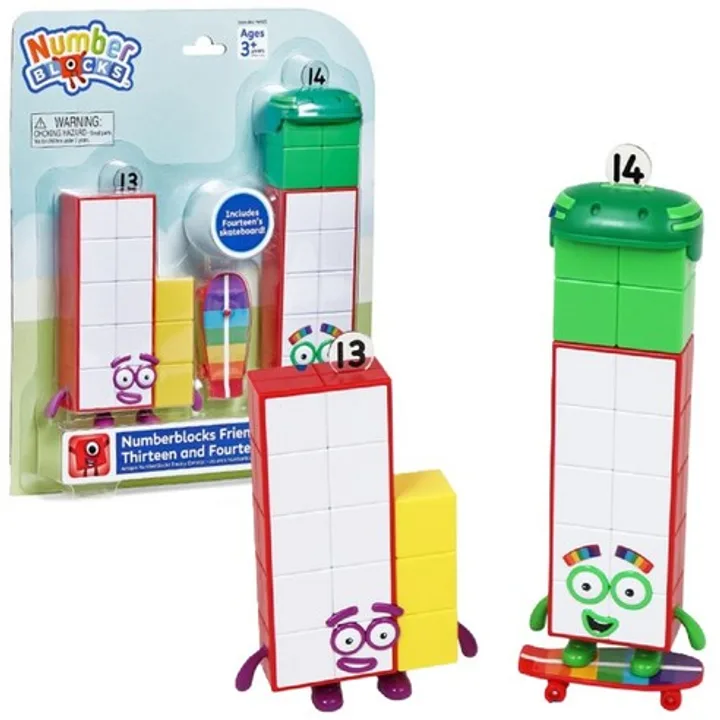 Numberblocks Friends Thirteen & FourteenTwo more personalities for the collection, including Fourteen’s rainbow skateboard.See product
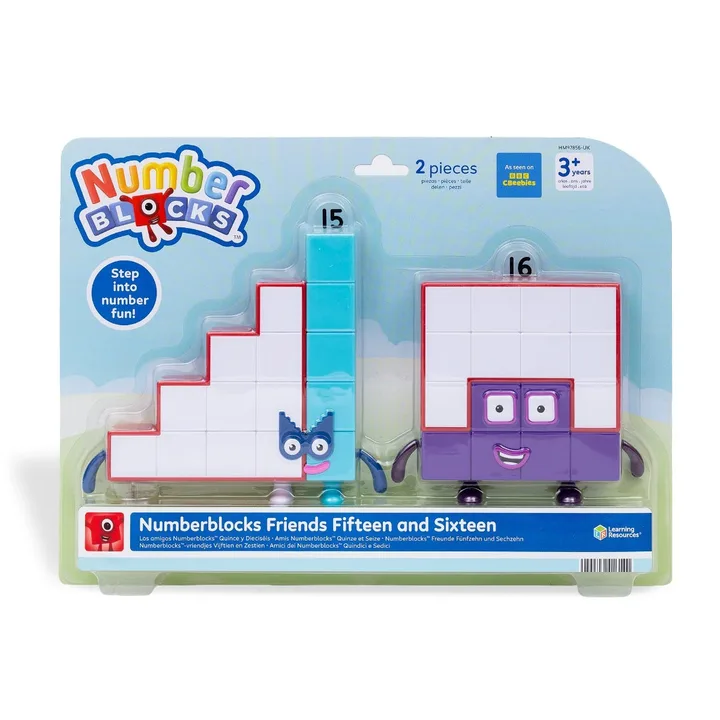 Numberblocks Friends Fifteen & SixteenFifteen and Sixteen extend the character play into bigger numbers and bigger stories.See product
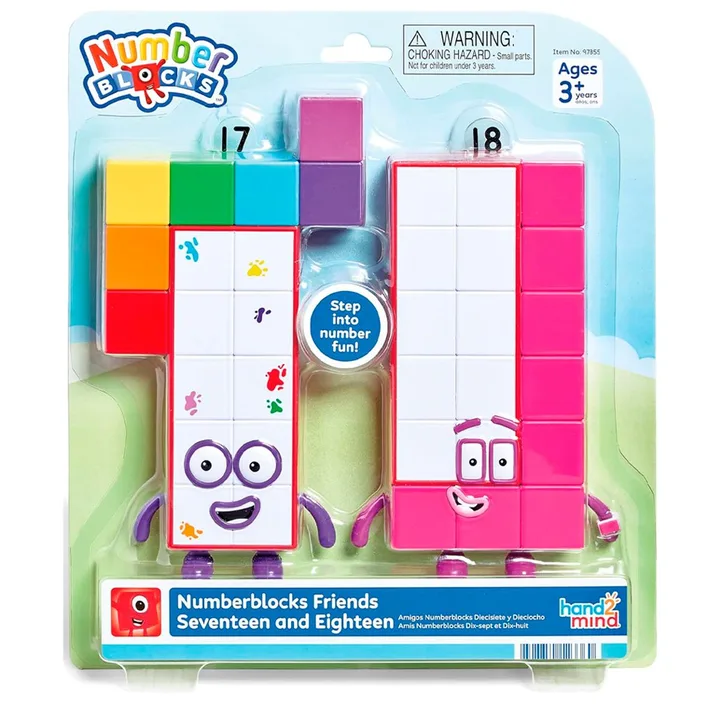 Numberblocks Friends Seventeen & EighteenA colourful pair of figures for counting, comparing, and all the drama of Numberland.See product
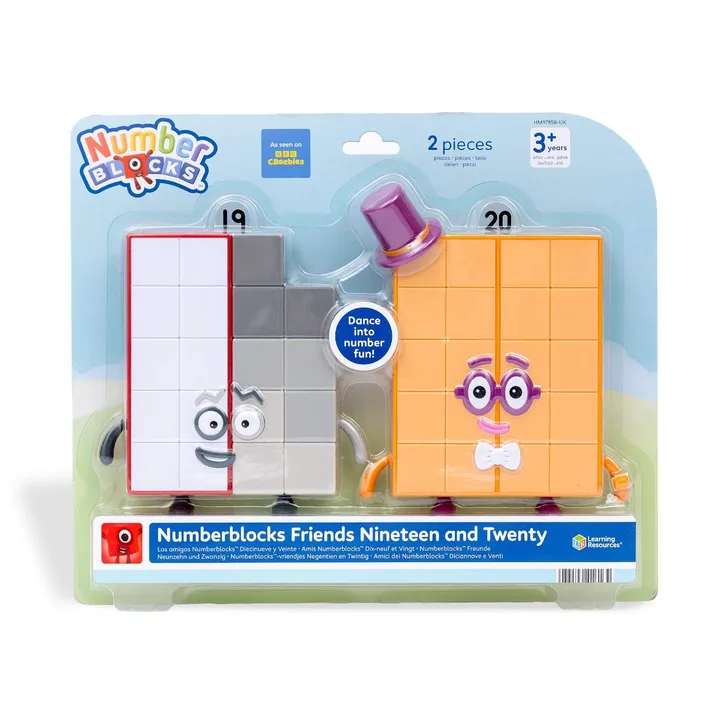 Numberblocks Friends Nineteen & TwentyNineteen and Twenty complete our solid-figure run from One through Twenty.See product
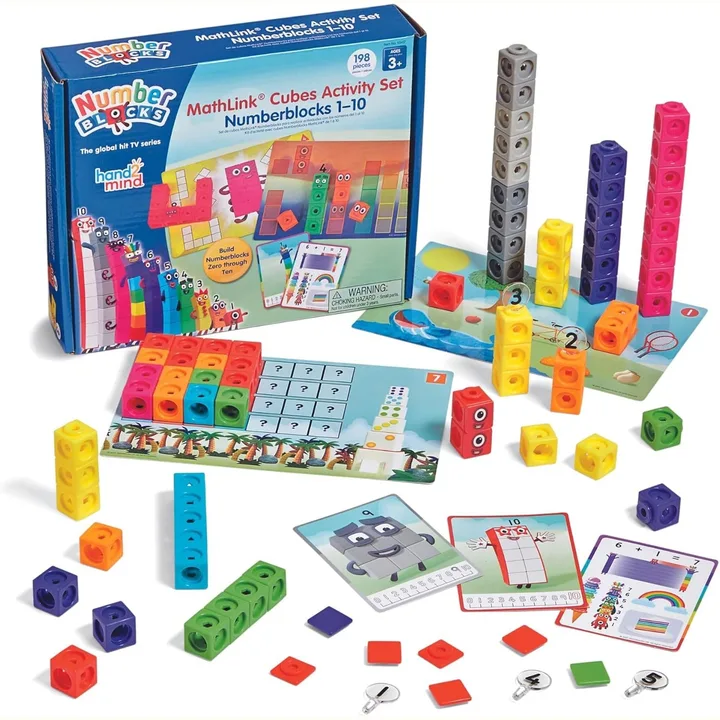 MathLink Cubes Numberblocks 1–10Buildable Numberblocks that turn counting, number bonds, and early operations into something tangible.See product
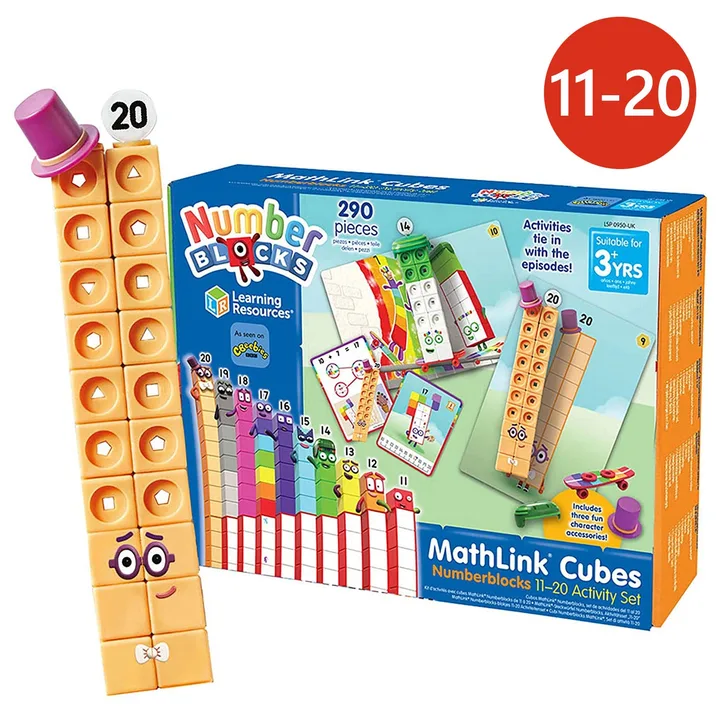 MathLink Cubes Numberblocks 11–20More cubes, faces, accessories, and activity cards for building the teen Numberblocks.See product
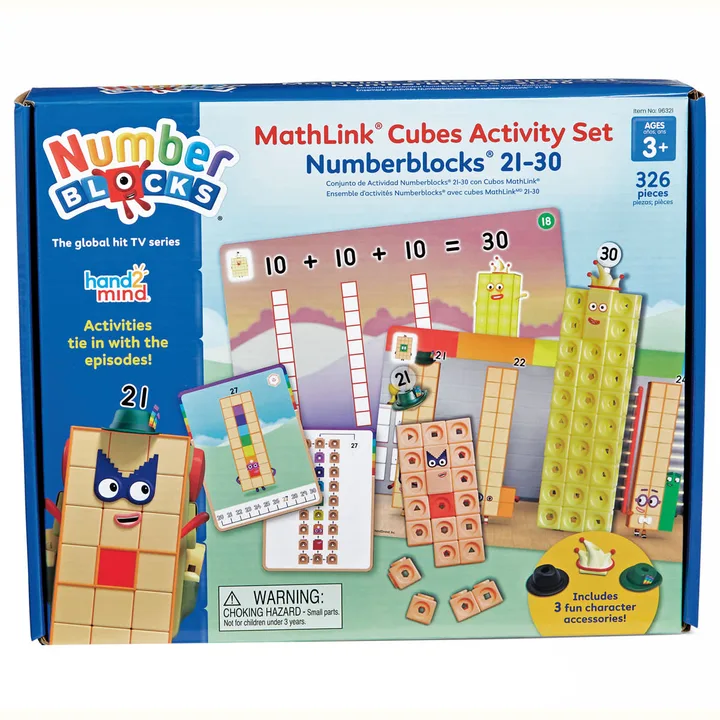 MathLink Cubes Numberblocks 21–30A hands-on way to explore larger numbers, patterns, place value, and multiplication structures.See product
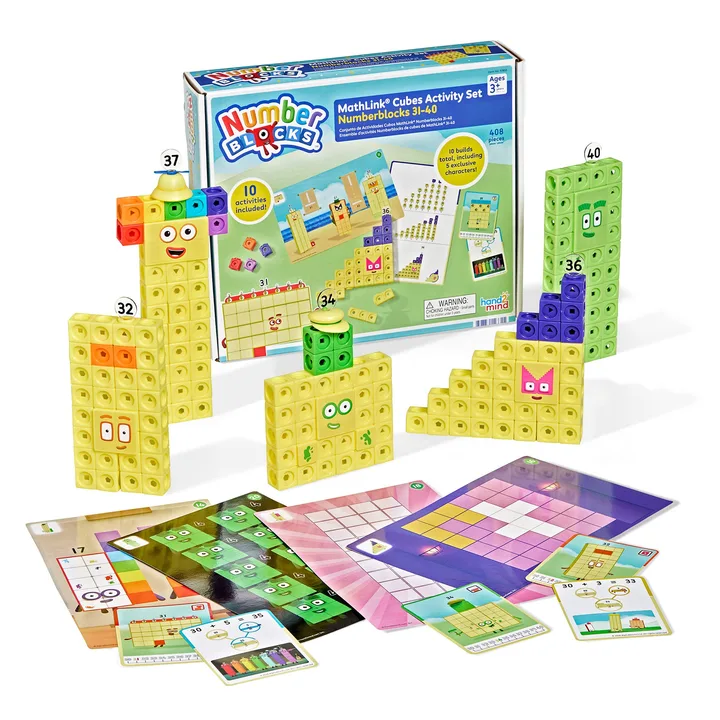 MathLink Cubes Numberblocks 31–40The collection keeps growing with builds and activities for Numberblocks Thirty-One through Forty.See product
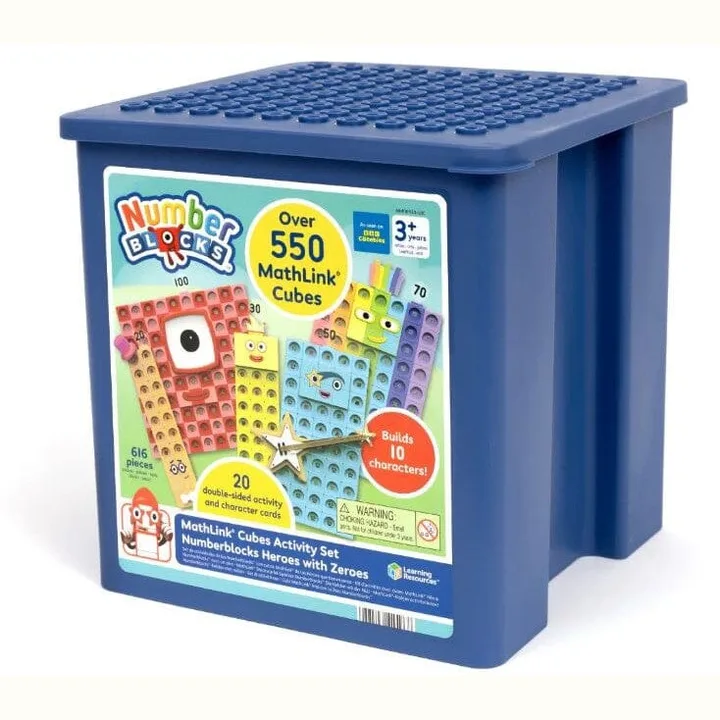 MathLink Cubes Heroes with ZeroesCharacter builds and playful activities centred on powers of ten and very heroic zeroes.See product
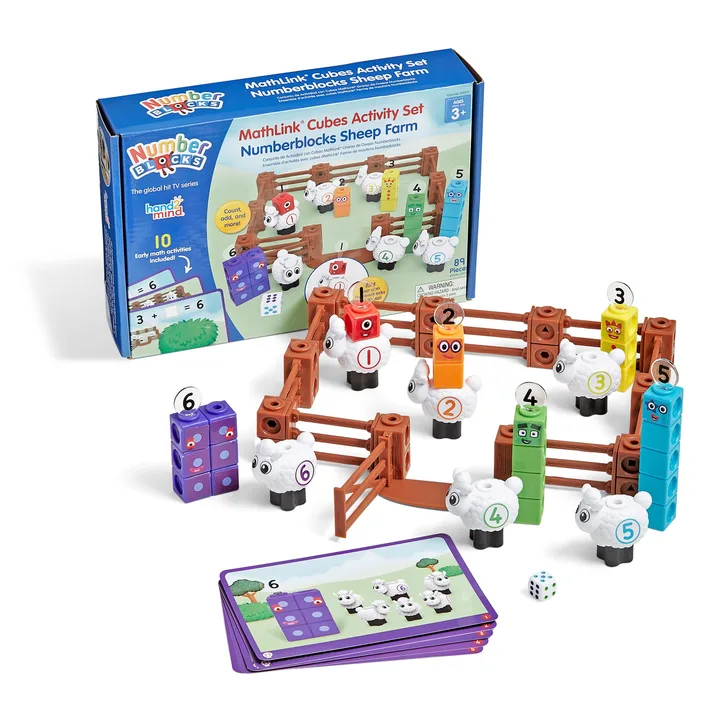 Numberblocks Sheep FarmA farm playset that combines counting, building, animals, and pretend-play stories.See product
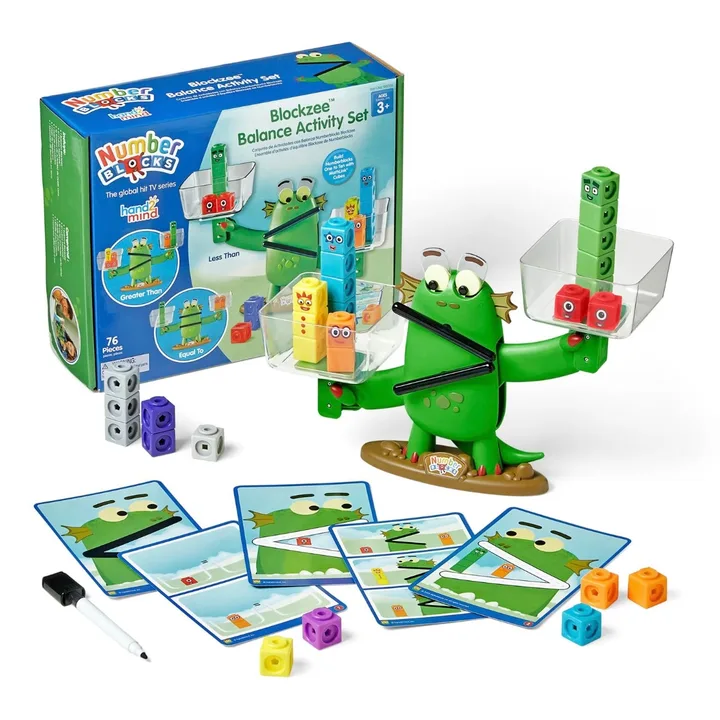 Blockzee Balance Activity SetA physical, visual way to compare quantities and make greater-than and less-than ideas click.See product
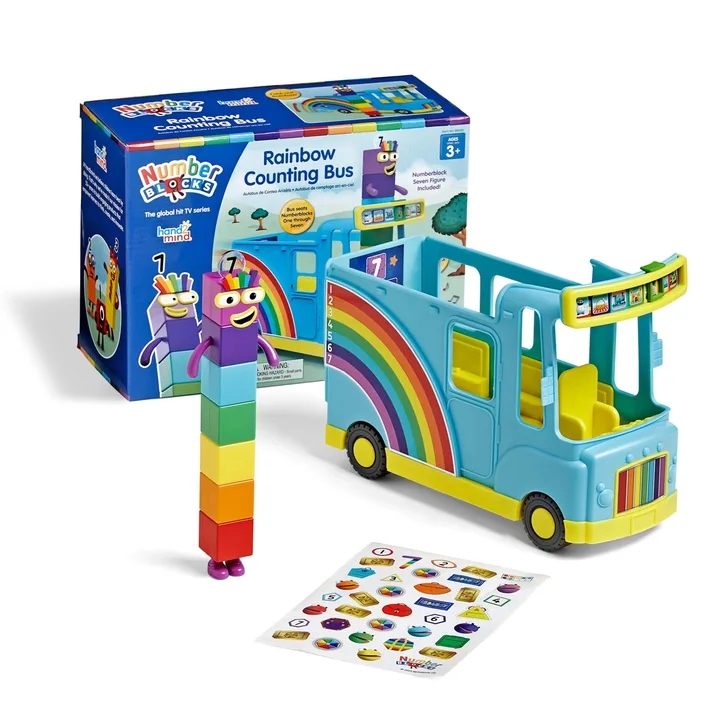 Rainbow Counting BusCounting becomes movement and story play as Numberblocks climb aboard, travel, and hop off again.See product
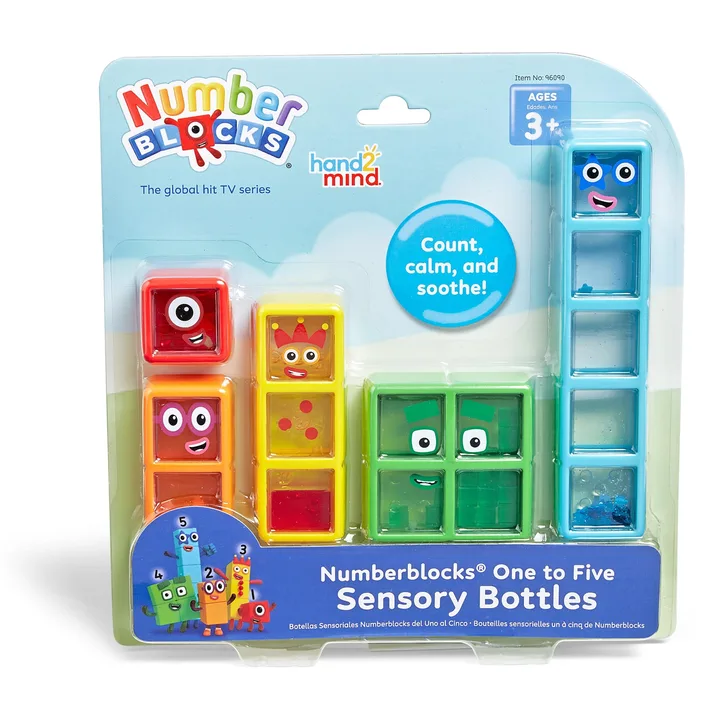 One to Five Sensory BottlesFive calm-down bottles with colours, movement, patterns, and small visual details to watch.See product
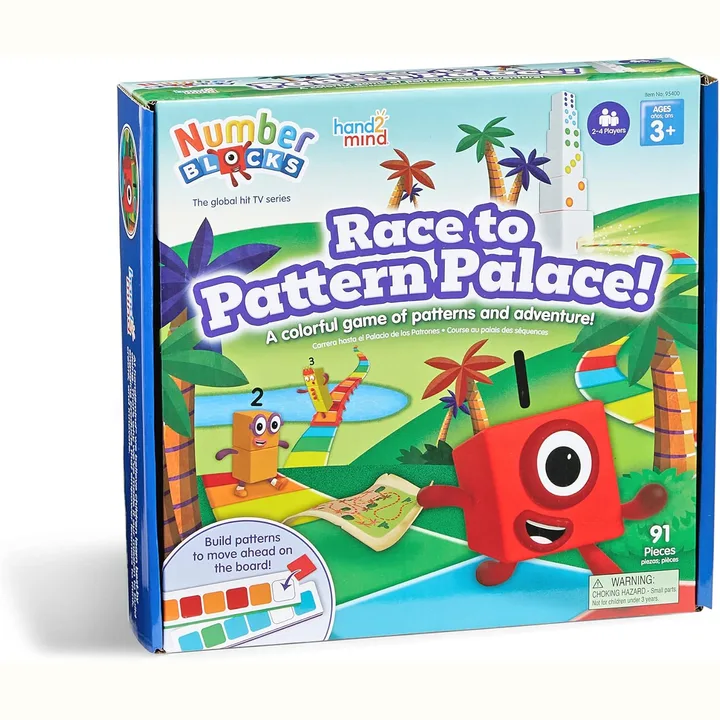 Race to Pattern PalaceA family board game built around recognising, extending, and talking about patterns.See product
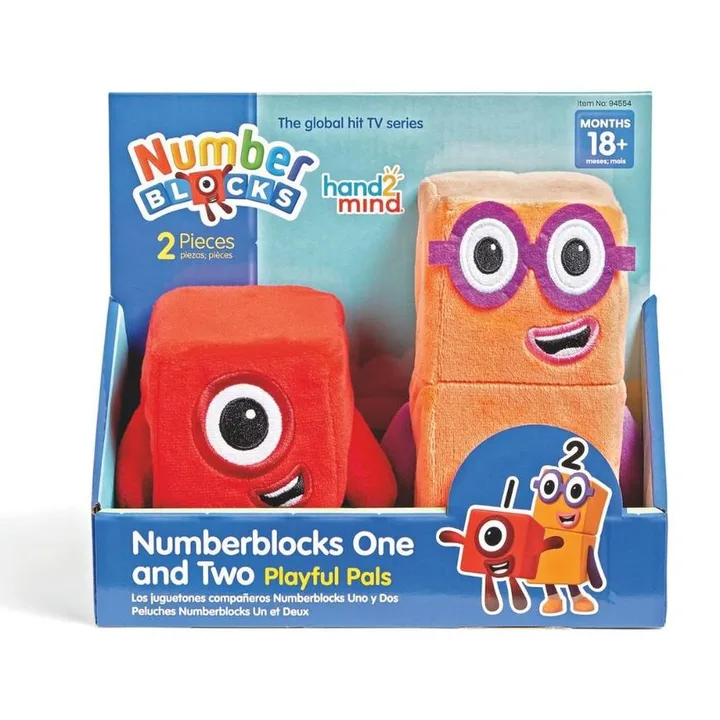 One & Two Playful PalsSoft Numberblock One and Two plush friends for cuddles, songs, and quieter character play.See product
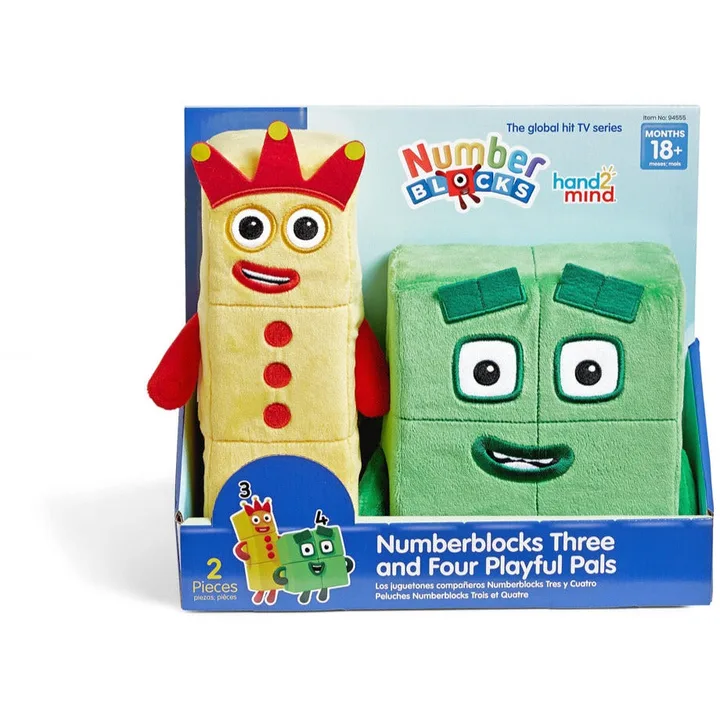 Three & Four Playful PalsSoft versions of Three and Four that bring another kind of sensory play to Numberland.See product
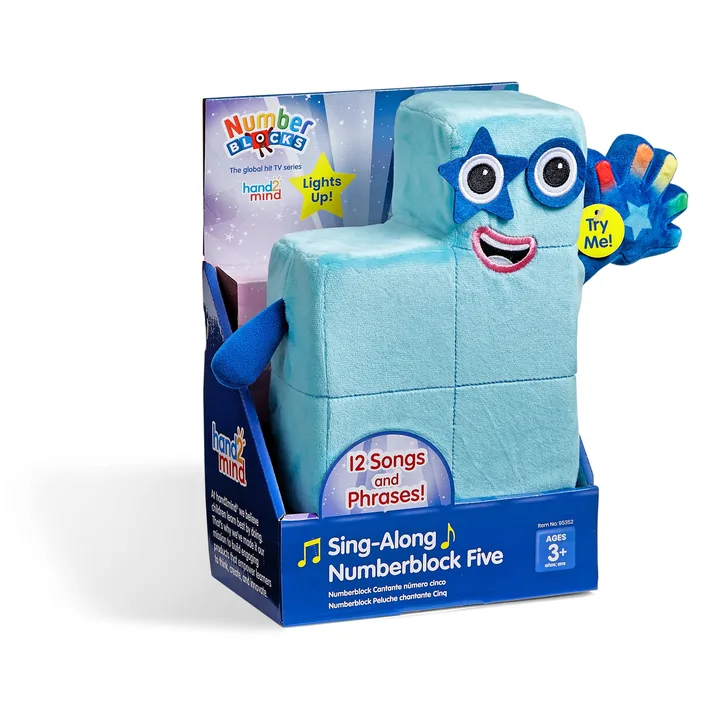 Sing-Along Numberblock FiveA singing Five plush with familiar phrases and songs for a superfan who already knows the words.See product
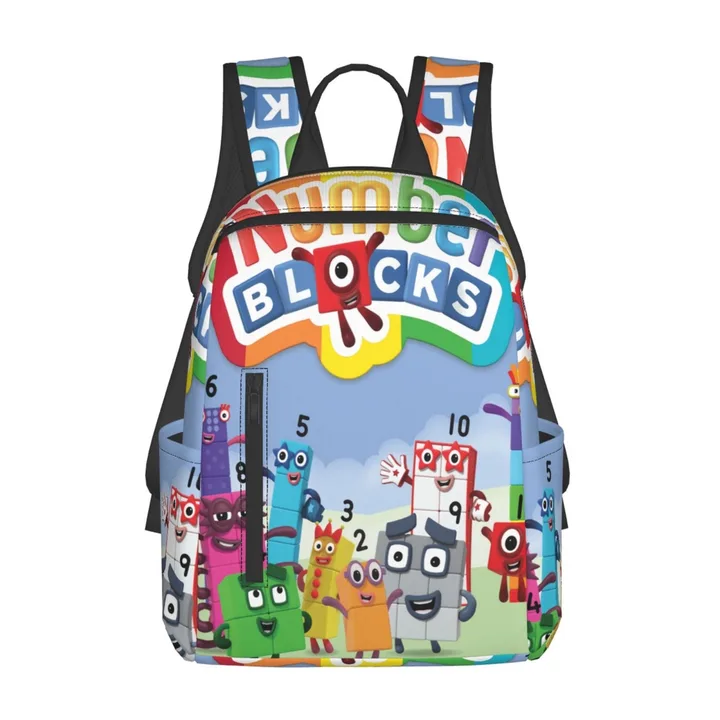 Numberblocks BackpackBecause apparently Numberland also needed to accompany him outside the house.See product
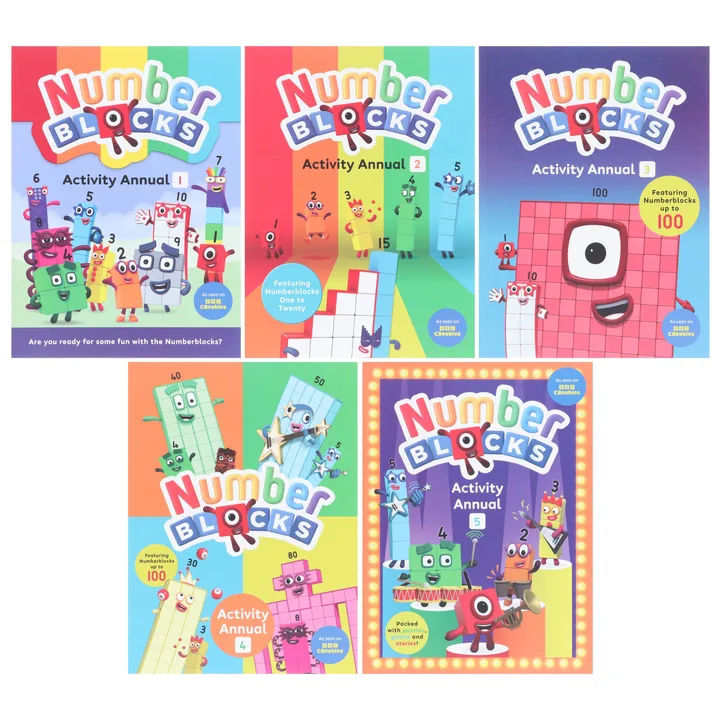 Numberblocks Workbooks & Activity BooksSticker books, puzzles, colouring, and paper activities for when the blocks need desk jobs.See product
Swipe or use the arrows to explore. These are Amazon affiliate links: if you buy through one, I may earn a commission at no extra cost to you.