Medicube Pink Stuff
More than two months with Medicube’s Triple Collagen Serum and nearly one month with its PDRN Pink Collagen Capsule Cream: strange textures, serious hydration, and a simpler nighttime routine.
Not sponsored. Not gifted. I bought and use both products myself. I have not been paid, compensated, or influenced in any way to write this review. Ingredient and product information comes from Medicube; descriptions of how the products feel and perform are entirely my own experience. This article contains Amazon affiliate links. If you buy through one, I may earn a commission at no extra cost to you. As an Amazon Associate I earn from qualifying purchases.
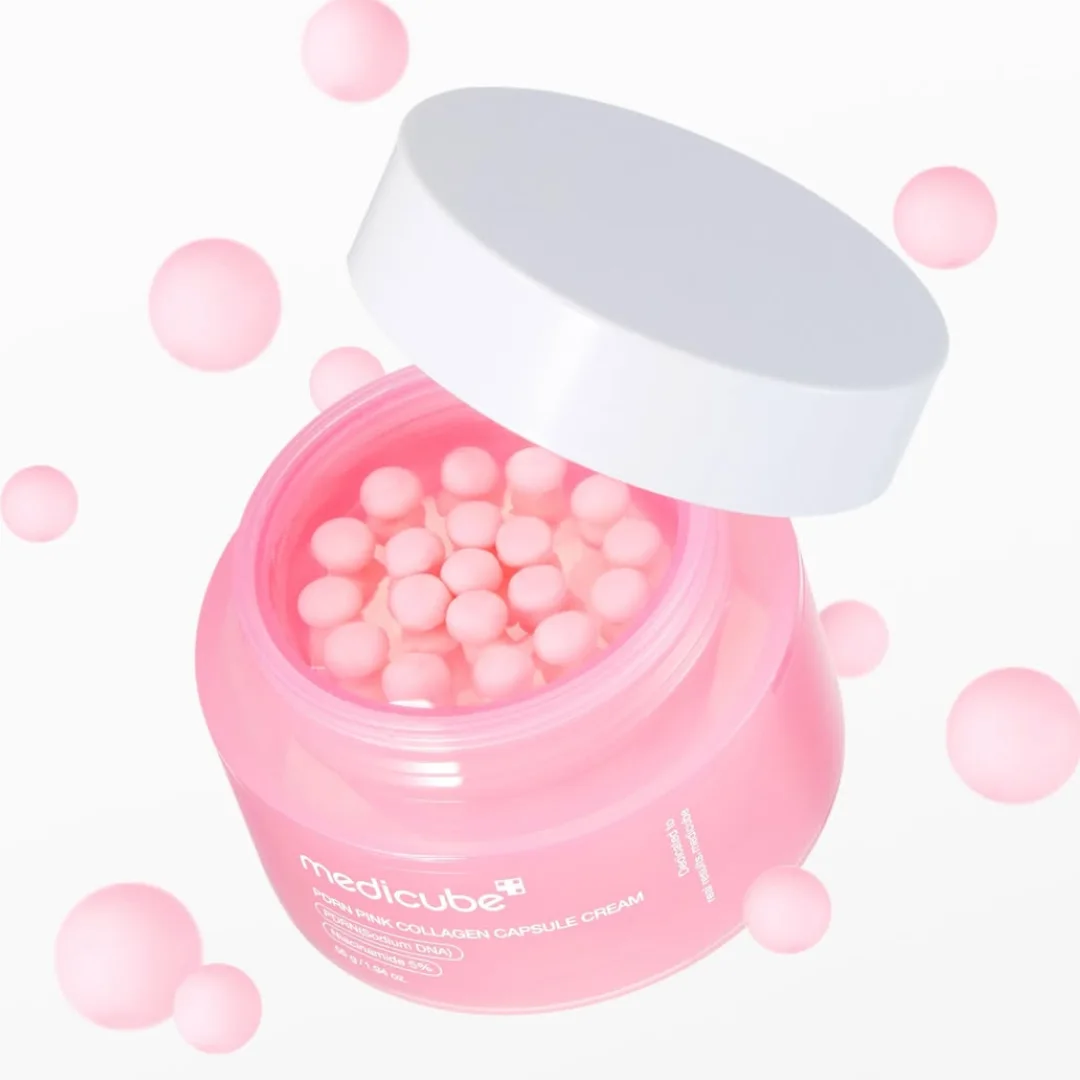
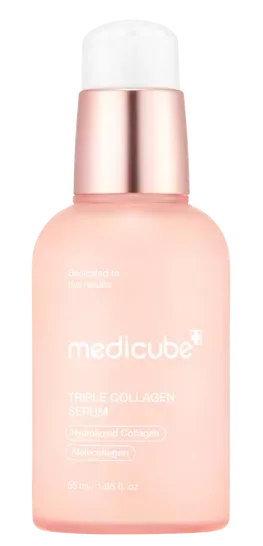
I have been using the Medicube Triple Collagen Serum 4.0 for more than two months now, and for just under a month I have also been using the Medicube PDRN Pink Collagen Capsule Cream. Together, they have quietly become the last two steps of my nighttime skincare routine.
Let’s start with the serum, because I have been using that long enough to know I genuinely like it.
The Triple Collagen Serum
There is no particularly elegant way to describe the texture. It is a slightly cloudy, slippery, viscous serum with a certain… biological-fluid quality to it.
There. That’s as politely as I can put it.
Fortunately, once it is actually on my face, I don’t care what it reminds me of coming out of the bottle. It spreads very easily and leaves my skin feeling noticeably hydrated. Medicube calls this its Triple Collagen Serum because the formula contains multiple forms of collagen, including hydrolyzed collagen, atelocollagen and soluble collagen. Its full ingredient list also includes glycerin, niacinamide and several forms of hyaluronic acid. Medicube markets it for hydration, elasticity and a plumper, smoother-looking complexion.
I can’t tell you whether one particular form of collagen is responsible for what I see in the mirror, nor am I going to pretend I can separate what every ingredient is doing to my face. What I can judge after more than two months is the thing that matters most to me: my skin feels really hydrated when I use it.
Initially, I had a slightly unconventional routine with it. I would apply the serum and then put one of my reusable silicone face masks over it. The silicone traps moisture and also creates some warmth and sweat underneath. When I removed it, my skin felt ridiculously soft and hydrated.
I’m not claiming the heat somehow activated the serum or made the collagen magically penetrate my face. I just know that the combination of serum + occlusion worked really well for how my skin felt.
Then I found the pink cream
The PDRN Pink Collagen Capsule Cream looks exactly like the sort of skincare product the internet would convince me to buy. It is a clear gel filled with little pink capsules that you mix together before putting it on your face. The slightly confusing part is that there isn’t one required capsule-to-gel ratio. Medicube actually intends it to be customizable: use more gel if you want something lighter and more capsule if you want a richer application.
I considered this information carefully and then chose the least complicated solution possible.
I mixed the entire jar together.
All the capsules. All the gel. Whatever ratio Medicube decided to put in the container is apparently my ratio now, and fortunately it works perfectly well for me.
The cream has quite an ingredient list. There is glycerin, niacinamide, squalane, PDRN listed as sodium DNA, hydrolyzed collagen, ceramide NP, peptides, glutathione and several forms of hyaluronic acid. Medicube positions it around hydration, firmness, radiance and uneven-looking skin tone. The company also reports some fairly dramatic study numbers—including a 102.4% increase in hydration immediately after application, a 33% improvement in elasticity after two weeks and changes in uneven tone after two weeks—but those are Medicube’s own reported clinical-test results, and individual results obviously aren’t guaranteed.
My review is considerably less dramatic:
It keeps my skin feeling really, really nice overnight.
And that is enough for me.
It actually replaced part of my routine. This is probably the most useful thing the pink cream has done. Once I started applying it over the Triple Collagen Serum, I stopped using the silicone mask. I didn’t make a conscious decision that the mask is now obsolete. I just didn’t feel the need for it anymore. The serum gives me that hydrated base and the cream sits over everything as a richer final layer. I go to sleep with it on and wake up with my skin still feeling incredibly soft and moisturized.
My nighttime routine now is pretty straightforward: I wash my face with my green CeraVe cleanser for sensitive skin, use my Topicals treatment on the areas where I have uneven tone—particularly around my mouth—then apply the Medicube Triple Collagen Serum over my face and finish with the pink capsule cream.
Then I go to bed.
By morning, I can still feel the softness in my skin.
That’s ultimately why both products have stayed.
But are they actually doing anything beyond hydration?
This is where I try to be careful with skincare reviews. It is very easy to read an ingredient list containing collagen, peptides, PDRN, niacinamide, ceramides and hyaluronic acid and start attributing every change in your face to one fashionable ingredient. I can’t do that. I have used the serum for more than two months, which is long enough for me to have a fairly good idea of whether I enjoy using it. I’ve used the cream for less than a month, so I’m even less interested in making dramatic long-term claims about what it has done.
What I can confidently say is that the combination works extremely well for hydration on my skin. The ingredient lists make that result quite plausible. Both products contain glycerin and multiple moisturizing or conditioning ingredients; the serum contains several forms of hyaluronic acid, while the cream adds ingredients including squalane and ceramide NP alongside its own hyaluronic-acid ingredients.
That is much more tangible to me than trying to decide whether my skin has become 17% more youthful-looking.
It feels hydrated. It feels soft. It still feels that way the next morning. And I actually enjoy using the products enough to keep using them. But that does not mean I never get the occasional pimple. I still do, and apparently they too benefit from the superhydration.
Texture, performance and value
If I had to compare them simply, the serum wins on proven staying power in my routine. I’ve been using it for over two months and haven’t lost interest in it. That’s usually a pretty good sign with skincare.
The texture is weird. I stand by that. But it spreads beautifully and my skin likes it, so weird is allowed.
The pink cream hasn’t been around long enough for me to give it the same long-term endorsement, but it has probably made the bigger immediate difference to my routine because it replaced the silicone-mask step entirely. I also like being able to put it on and essentially forget about everything until morning.
Neither product needs to perform miracles for me to consider it worthwhile. That’s actually something I’m learning about how I judge skincare. I don’t particularly care whether the marketing tells me something will give me glass skin, reverse the passage of time, or make my face radiate visible light.
I care about three questions:
- Do I like putting this on my face?
- Does my skin feel better when I use it?
- Do I notice when I don’t use it?
For the Triple Collagen Serum, after more than two months, the answer is yes. For the pink cream, less than a month in, it is looking very much like yes too.
And considering my previous routine involved deliberately attaching a sheet of silicone to my face before bed, the fact that these two little pink products have made things simpler is probably the strongest endorsement I can give them.
Skin note: This is my personal experience, not dermatological advice. Skin can respond differently to the same product. Patch-test if you are sensitive, and stop using a product if it causes ongoing irritation.